If you are stuck doing trade work without the ticket to match, the real cost is not just time in training. It is the jobs you cannot quote, the licences you cannot apply for, and the income you leave on the table every week. So when people ask how long does it take to get certified in a trade, the honest answer is this: it can take anywhere from several months to four years, depending on the trade, your experience, and the pathway you choose.
That range is wide for a reason. A school leaver starting from scratch will usually face a very different timeline from an experienced worker who already has years on the tools. The mistake many adults make is assuming the traditional apprenticeship timeframe is the only option. It is not.
How long does it take to get certified in a trade in Australia?
In Australia, trade certification timelines usually fall into three broad categories. A traditional apprenticeship often runs for around three to four years. A structured accelerated pathway can be much shorter, especially if it is designed for adults with existing industry exposure. Recognition of Prior Learning, or RPL, can shorten things further if you can prove current competency against the qualification requirements.
The right question is not just how long will it take. It is how quickly can you complete an accredited qualification without cutting corners on compliance.
For working adults, that difference matters. If you can keep earning while studying, reduce downtime, and move into licensed or higher-paid work sooner, the return on investment changes dramatically.
What actually affects your certification timeline?
The biggest factor is where you are starting from. If you have never worked in the trade, expect a longer road because you need both theory and practical competency. If you are already doing the work under supervision, your timeline may be much shorter because you are not learning everything from zero.
The second factor is the trade itself. Some qualifications have licensing outcomes attached to them, and those pathways may involve stricter evidence requirements, regulated units, or mandatory practical assessments. Air conditioning and refrigeration, electrical, and plumbing can all carry different compliance obligations depending on the state, the licence class, and the type of work you want to perform.
The third factor is delivery mode. Full-time on-campus study can move quickly in theory, but it often clashes with work and family life. A flexible blended model with self-paced theory and scheduled practical workshops can be faster in the real world because students are able to keep progressing instead of dropping out or delaying study.
Then there is consistency. Plenty of people could finish quickly on paper, but they lose months because they are chasing paperwork, waiting on support, or trying to navigate licensing requirements alone. Good training systems reduce that friction.
Traditional apprenticeship versus accelerated trade training
A traditional apprenticeship still works well for some people, particularly younger entrants who need a complete introduction to the trade. It offers steady exposure over several years and can be a solid starting point. The trade-off is obvious: slower qualification, lower earnings during the training period, and less flexibility if you are already juggling bills, kids, and full-time work.
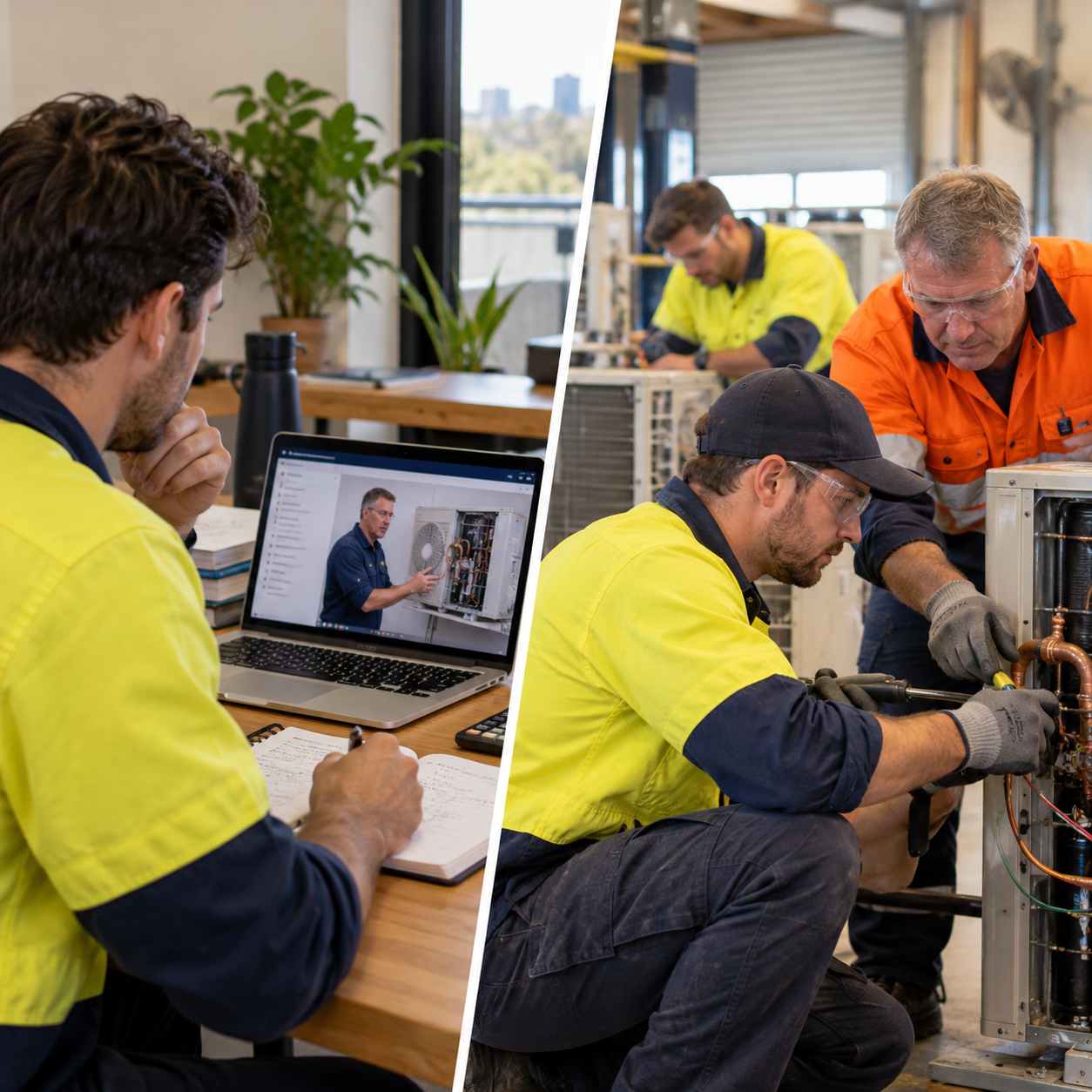
Accelerated trade training is built for a different type of student. It suits adults who need a faster, more practical route to a nationally recognised qualification, especially if they already have hands-on experience. Instead of sitting in a slow system built around a multi-year employment arrangement, they work through structured theory online, track progress through an LMS, and complete practical components in focused workshop blocks.
That does not mean the qualification is watered down. The curriculum still needs to meet the same competency standards. The difference is efficiency.
For many working tradies, that is the deciding factor. If one pathway takes years and another gets you qualified far sooner while staying compliant, the faster option is not just convenient. It is financially smarter.
Can you get certified faster if you already have experience?
Yes, often significantly faster. Experience matters because trade qualifications are based on competency, not just time served. If you have spent years installing systems, fault-finding, servicing equipment, or assisting on jobs, you may already meet part of the qualification requirements.
This is where evidence becomes critical. Employers, job records, references, photos, logbooks, previous training, and practical demonstrations can all help show what you can already do. If that evidence is strong, your training plan may focus only on the gaps rather than forcing you through content you already know.
That said, experience alone does not guarantee instant certification. You still need to demonstrate competency against the units in the qualification, and if there are compliance-heavy areas you have not covered properly, those gaps need to be addressed. Fast-tracking works best when it is structured, documented, and assessed properly.
A realistic timeframe for adult learners
For adults already working in or around a trade, a realistic timeframe can be anywhere from six months to eighteen months, depending on the qualification, prior experience, and how consistently they engage. Some will move faster. Others will need more time because practical evidence, workshop attendance, or licensing steps take longer than expected.
That range is still dramatically shorter than a standard four-year pathway.
The reason is simple. Adult learners are usually more focused, more motivated by income outcomes, and less interested in wasting time. They want a direct path from where they are now to where they need to be – qualified, compliant, and able to step into better-paying work.
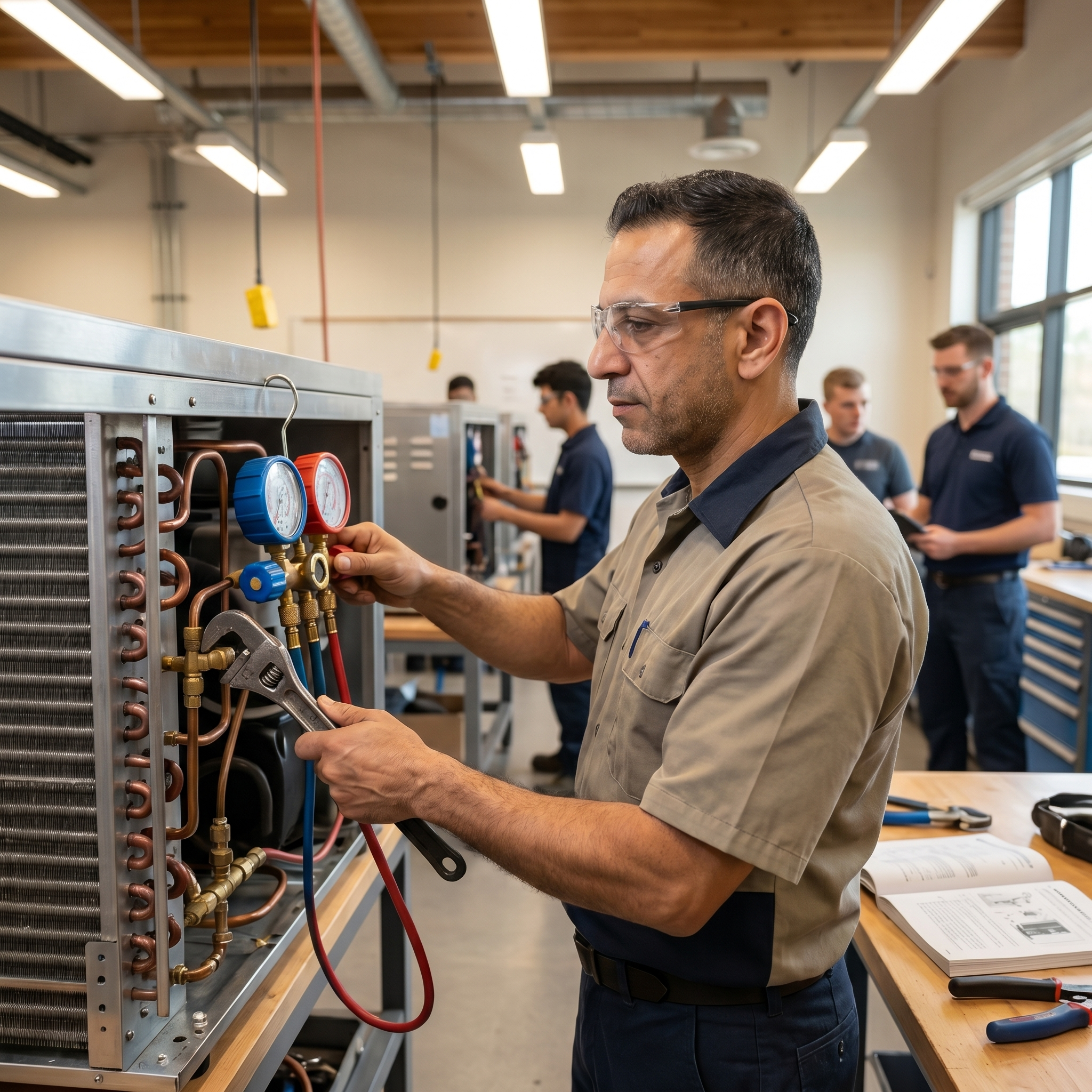
Providers that understand this tend to build around momentum. Self-paced online theory lets students study after hours. Monthly practical workshops create structure without forcing people to stop working. Progress tracking keeps the qualification moving instead of sitting idle for weeks.
Why some students take longer than they should
Most delays are not caused by the qualification itself. They are caused by poor delivery, lack of support, or unrealistic planning.
A common issue is enrolling in a course that looks flexible but offers very little guidance. Students start strong, then stall because nobody is checking progress, clarifying assessment requirements, or helping them map out the next step. Another problem is choosing a pathway that ignores your existing skills, which wastes both time and money.
Licensing confusion also slows people down. In some trades, getting qualified is only part of the picture. You may also need help understanding state-based licensing rules, restricted work categories, or what documents to prepare after completion. If that support is missing, qualification can be finished but career progress still gets stuck.
This is why outcomes-driven training matters. The goal is not simply to enrol. The goal is to get qualified and move forward.
For air conditioning and refrigeration, speed matters even more
In air conditioning and refrigeration, delays can be expensive. This is a sector where formal qualifications directly affect your job access, compliance position, and earning power. If you are already doing related work but still unqualified, every extra month can mean missed opportunities.
The strongest pathways in this space are the ones that combine nationally recognised training with practical workshop delivery and clear support around licensing. That is where providers like Alpha Technical Training stand out. The model is built for working adults who want to accelerate certification without stepping away from income or family responsibilities.
That matters because speed only counts if the result is credible. Fast training that does not meet compliance standards is a dead end. Fast training that is properly structured, assessed by industry professionals, and aligned with licensing outcomes is a career move.
So what is the fastest smart answer?
If you are starting from scratch, expect trade certification to take longer. If you already have experience, the timeline may be much shorter than you think. For many adult learners, the smartest path is not the oldest one. It is the one that recognises current skills, removes wasted time, and keeps you earning while you complete an accredited qualification.
When people ask how long does it take to get certified in a trade, they are usually asking something deeper: how soon can I stop being overlooked and start getting paid properly for what I can do?
That answer depends on your trade, your evidence, and your training provider. But if you choose a pathway designed for real adults with real responsibilities, getting qualified sooner is not wishful thinking. It is a plan.