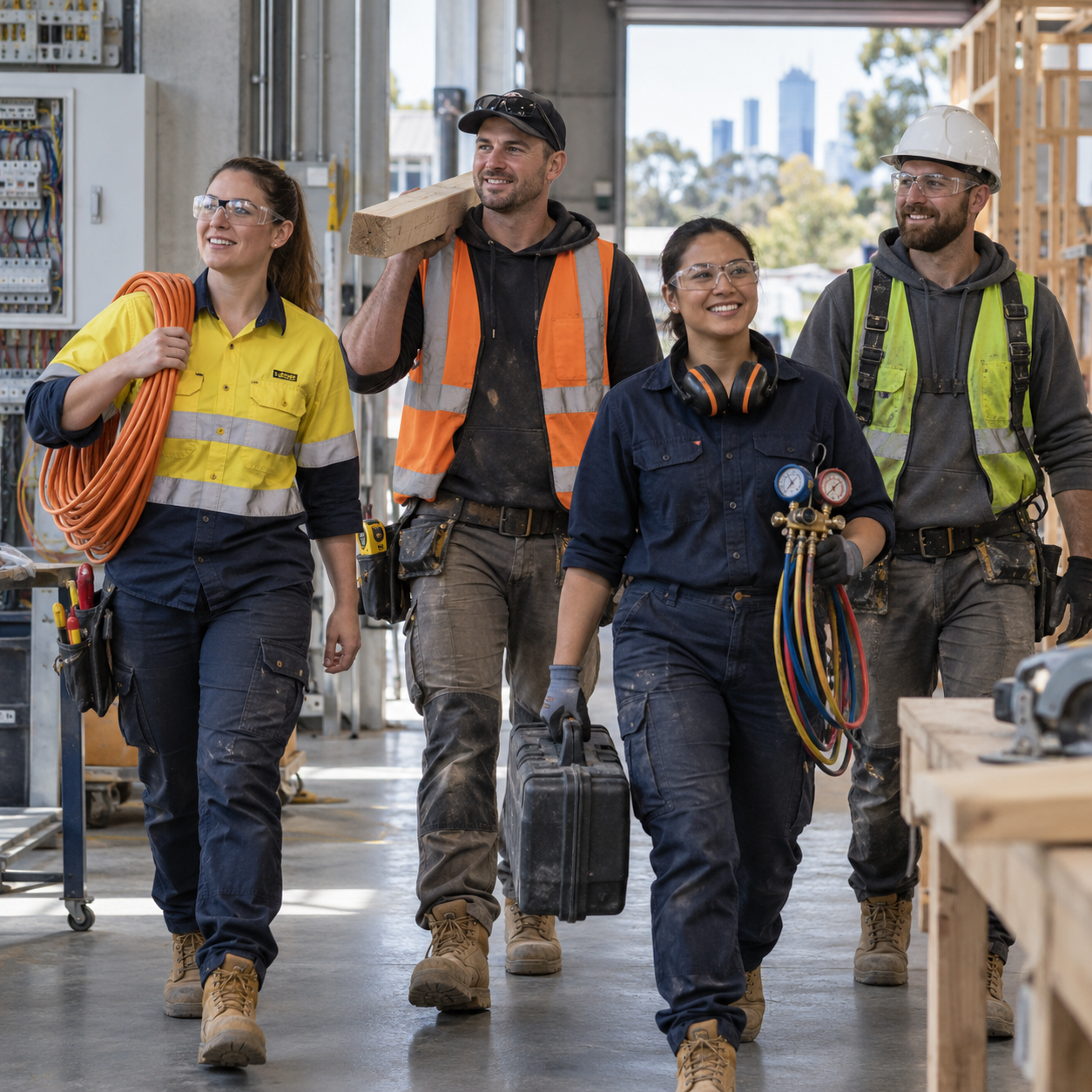
Three or four years is a long time to wait when you already know the work, you are already on the tools, and the only thing holding you back is the piece of paper. That is exactly why fast track trade courses Australia are getting serious attention from working tradies, technicians and career changers who want qualification, licensing and better pay without putting life on hold.
For the right person, an accelerated pathway is not a shortcut around standards. It is a faster way through the same nationally recognised requirements, built for adults who need flexibility, clear structure and a practical return on investment. That distinction matters, because speed only has value when it still leads to compliance, competency and real job outcomes.
Why fast track trade courses in Australia are growing
Traditional apprenticeships still suit school leavers and people starting from scratch. But many adults are not starting from scratch. They may already be doing installation, servicing, maintenance or technical support work. They may have years of industry exposure but no formal qualification, which means lower pay, limited job access and a hard ceiling on licensing.
That is where accelerated training changes the equation. Instead of spreading learning over several years, fast-track models are designed around recognition of existing skills, focused theory delivery and practical training that fits around work. You keep earning while you study. You progress against a structured training plan. And if the provider has built the program properly, you are still completing the same accredited units required for the qualification.
The biggest driver is simple – adults do not have time to waste. Mortgage repayments, family commitments and rising living costs make a long training timeline expensive. Delayed qualification often means delayed income growth as well. If becoming certified six, 12 or 18 months sooner helps you access higher-paying roles earlier, the financial difference can be substantial.
What “fast track” actually means
Fast track does not mean easy. It means efficient.
A quality fast-track program usually compresses the delivery timeline by removing dead time, not by cutting corners. Instead of waiting for term starts, classroom schedules or employer sign-offs spread over years, students move through theory in a self-paced learning management system, attend practical workshops at planned intervals and receive support to keep momentum high.
This model works especially well for motivated adults because they do not need to be managed like first-year school leavers. They need visibility, flexibility and accountability. If they can log in at night, study early before work, attend monthly practicals and keep progressing every week, they can cover ground much faster than someone locked into a rigid schedule.
That said, speed depends on your starting point. Someone with existing trade exposure, good literacy and strong discipline will move faster than someone completely new to the industry. That is not a flaw in the model. It is just reality.
Who these courses suit best
Fast track trade courses Australia are usually strongest for people in one of three positions.
The first is the experienced but uncertified worker. You have done the job, or a large part of it, but never formalised your skills. You may be valuable on-site yet still miss out on advancement because employers need the qualification on paper.
The second is the adult career changer with relevant technical aptitude. If you are moving from an adjacent field and can commit consistently, an accelerated format can get you into the trade faster than a conventional pathway.
The third is the working tradie who wants licensing outcomes. In sectors like air conditioning and refrigeration, formal qualifications are not just about credibility. They are tied to legal work scopes, compliance and earning capacity. Without the right credentials, there are jobs you cannot touch and contracts you cannot quote.
This approach is less suitable if you need a heavily supervised, classroom-first environment or if you are not in a position to manage your own weekly study. Fast-track training rewards consistency. If you disappear for weeks at a time, the time-saving advantage disappears with it.
The real difference between accelerated training and a traditional apprenticeship
The standard comparison is speed, but that is only part of it.
A traditional apprenticeship often depends on employer structure, workplace exposure, rostering and the pace of external training providers. It can be a solid pathway, but it is not always built for adults already carrying work and family responsibilities. Progress can be slow, and income may remain lower for longer.
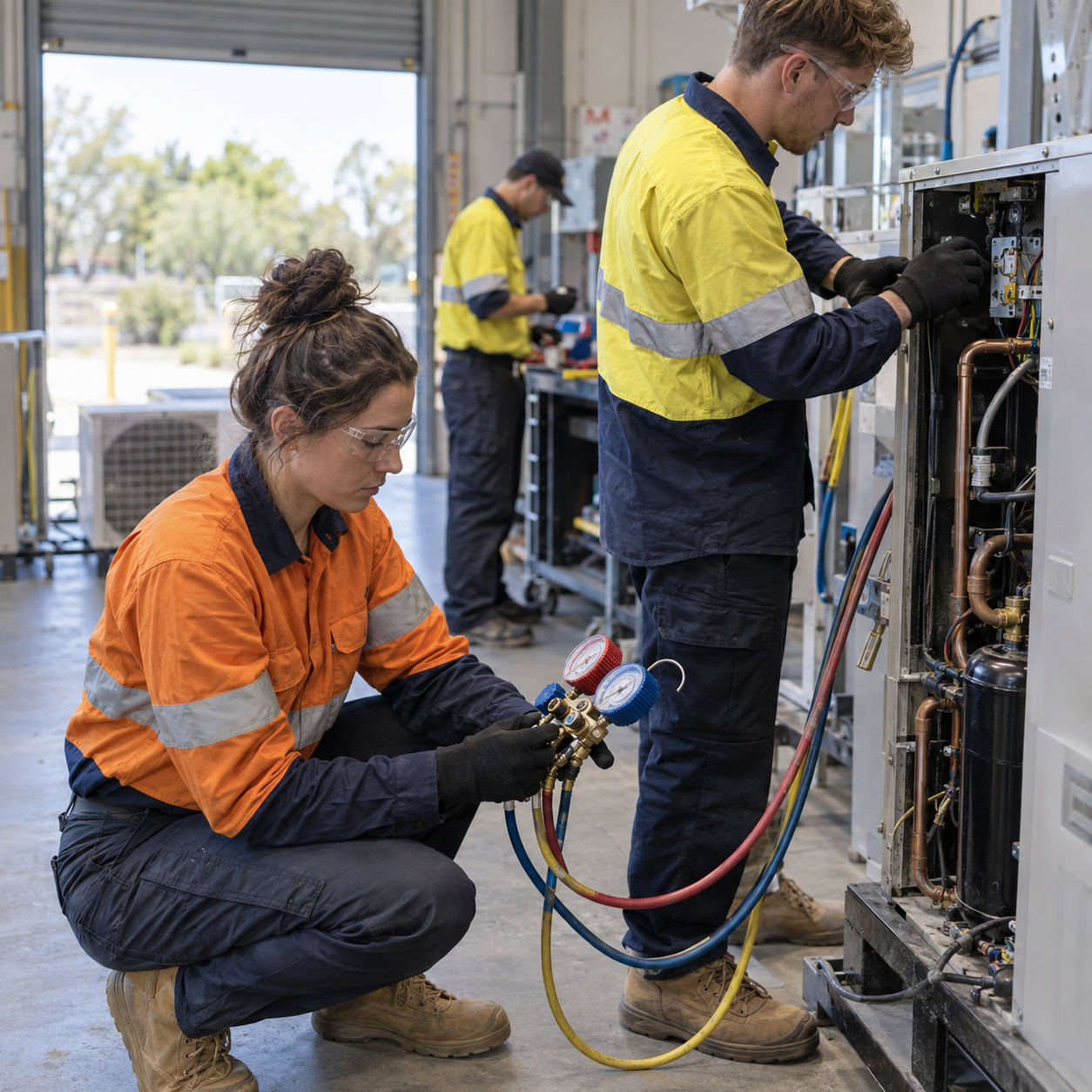
An accelerated model is built around outcomes. The best providers combine online theory, scheduled practical workshops and active trainer support so students can continue working while moving toward qualification. The focus is not on serving time. The focus is on demonstrating competency against nationally recognised standards as efficiently as possible.
Financially, the difference can be significant. Even when a fast-track course has upfront tuition costs, many students see the value in reaching qualified status sooner rather than spending extra years on apprentice wages or staying stuck in assistant-level roles. The real calculation is not just course fees. It is time-to-qualification, time-to-licensing and time-to-higher earnings.
What to look for in a provider
Not all accelerated providers are equal, and this is where many people get caught.
First, check that the qualification is nationally recognised and relevant to the licence or work outcome you want. A short course that sounds impressive but does not lead where you need to go can waste months and thousands of dollars.
Second, look closely at the delivery model. Flexible should not mean vague. You want a proper LMS, a clear training plan, regular practical sessions and access to trainers who are current in industry. If a provider cannot explain exactly how theory, assessment and practical competency are delivered, that is a warning sign.
Third, ask about support beyond enrolment. Good providers do not vanish after the invoice is paid. They track progress, intervene when students stall and help with the next step, whether that is final assessment, evidence gathering or licensing guidance.
This is where a specialist provider can make a major difference. Alpha Technical Training, for example, has built its model around accelerated trade certification for working adults, with blended delivery and practical workshops led by active industry professionals. That matters because students are not just buying a course. They are buying a faster path to compliance, qualification and better income.
Why air conditioning and refrigeration stand out
If you are looking at fast-track options with strong earning potential, air conditioning and refrigeration deserve serious consideration.
Demand stays strong because the work is essential across residential, commercial and industrial settings. The trade combines hands-on practical skill with technical knowledge, and qualified technicians can move into service, installation, maintenance, fault-finding and eventually business ownership. For many workers, it is the kind of trade that offers both stability and upside.
It is also an area where qualification and licensing carry real weight. Employers, contractors and clients want proof of competency. Compliance is not optional. That means formal certification can have a direct impact on what work you can legally perform and what rates you can command.
For someone already working around HVAC, electrical, maintenance or mechanical systems, fast-tracking into this field can be a smart move. But again, it depends on your background and commitment. The faster pathway works best when your provider can map your existing experience properly and keep your training moving.
Common concerns, and the honest answer
The first concern is whether fast track means lower quality. It should not. If the provider is delivering nationally recognised training correctly, the standard stays the same. What changes is the structure and the efficiency.
The second concern is workload. Yes, it can be demanding. Flexible study is still study. If you are working full-time, you will need discipline. The upside is that the effort is concentrated into a shorter period, and the payoff usually arrives sooner.
The third concern is licensing. This is where people need to be careful. Qualification and licensing are related, but not identical. Your course should move you toward the required qualification, while your provider should also help you understand the licensing pathway that applies in your state or trade area.
The smarter question to ask
Do not ask whether a fast-track course is faster. That part is obvious.
Ask whether it gets you to the same recognised outcome in a way that fits your life, protects compliance and improves your earning position sooner. If the answer is yes, then speed is not a gimmick. It is a commercial advantage.
For a lot of Australian tradies, the biggest career mistake is waiting too long to formalise what they already know. Every month spent uncertified can mean missed income, missed opportunities and unnecessary limits on where your career can go. The right training pathway removes that delay and gives your effort a clear finish line.
If you are serious about becoming qualified, licensed and harder to overlook in the job market, the best time to act is usually earlier than feels comfortable. Future you will care a lot less about the study load than the extra years spent earning below your value.