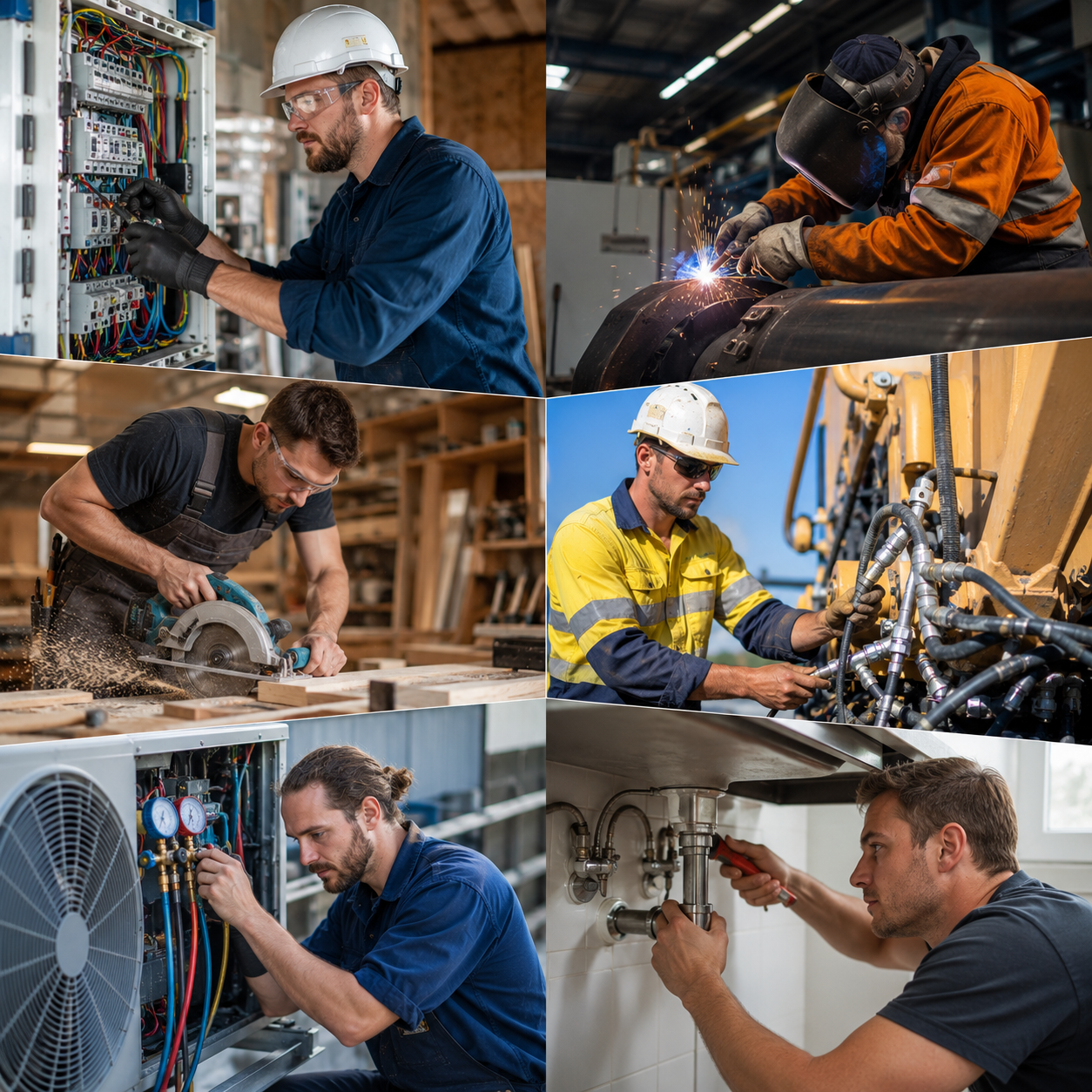
A qualified tradie can earn more than an unlicensed worker doing similar work – not because the tools are different, but because the scope, responsibility and legal sign-off are. Australia’s top paying licensed trades put you closer to higher-value work: commissioning systems, diagnosing faults, certifying installations, supervising crews and working directly with clients.
That does not mean every licence produces an instant six-figure income. Location, overtime, specialist capability, employment type and your ability to quote profitable work all matter. But if your career has stalled because you are experienced without formal credentials, getting qualified is often the move that changes what work you can legally take on and what you can charge for it.
What makes a licensed trade pay more?
Licensing exists to protect safety, consumers and the public. In practice, it also creates a clearer line between labouring under someone else’s supervision and taking responsibility for regulated work yourself. Electrical, refrigeration, plumbing and gas work can involve serious risk, so employers and customers pay for people who hold recognised qualifications and meet the relevant state or territory licensing requirements.
The best-paid roles usually sit where three things meet: a regulated skill, a shortage of capable technicians and work that is expensive to get wrong. A breakdown at a supermarket, hospital, data centre, mine site or commercial building is not a job that can wait until next week. Technicians who can find the fault, complete compliant repairs and return critical equipment to service are valuable.
Your pay can also rise when you move beyond installation work alone. Fault-finding, controls, commissioning, maintenance contracts, high-voltage work, industrial systems and project leadership generally command more than basic repetitive tasks. That is why a qualification should be viewed as a platform for better work, not the finish line.
The top paying licensed trades to consider
Earnings figures vary widely across Australia, and advertised salaries do not always include overtime, allowances, vehicle arrangements, bonuses or contractor margins. The ranges below are broad market guides rather than guarantees. They show where qualified tradespeople can build strong earning potential when they combine licensing with useful specialisation.
Electricians and electrical contractors
Electrical is consistently one of the strongest licensed trade pathways because electricity is required everywhere – homes, commercial sites, manufacturing, infrastructure and renewable energy projects. A qualified electrician may work in construction, maintenance, automation, solar, switchboards or industrial facilities. Experienced electricians in specialist, regional, FIFO or overtime-heavy roles can earn well above standard metropolitan wages.
The trade-off is that the licence pathway is tightly regulated and state-based. Holding a nationally recognised qualification is a major requirement, but licensing authorities may also require supervised experience, assessments and other evidence. If your goal is to run electrical jobs independently, understand the requirements in the state or territory where you intend to work before making decisions.
Air conditioning and refrigeration mechanics
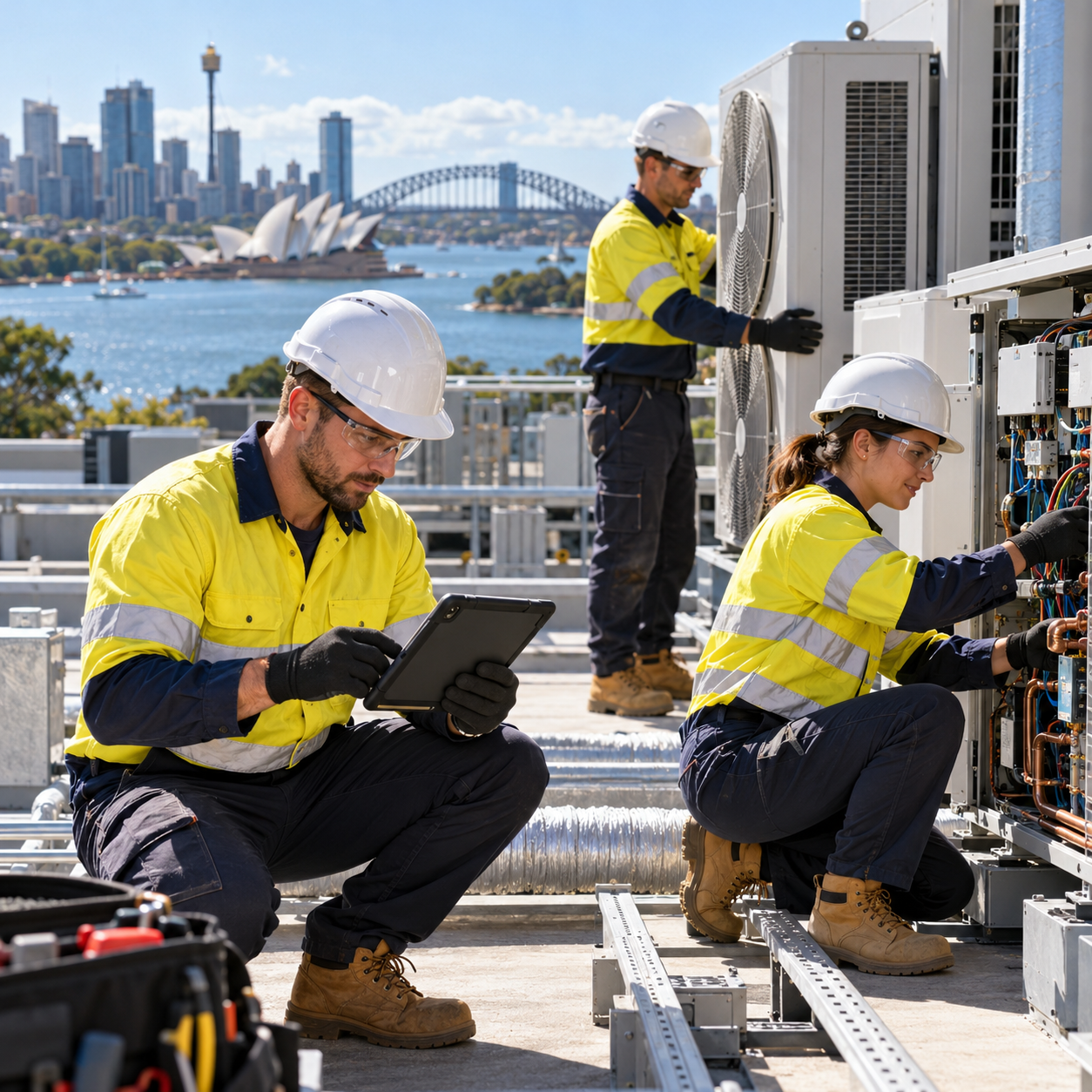
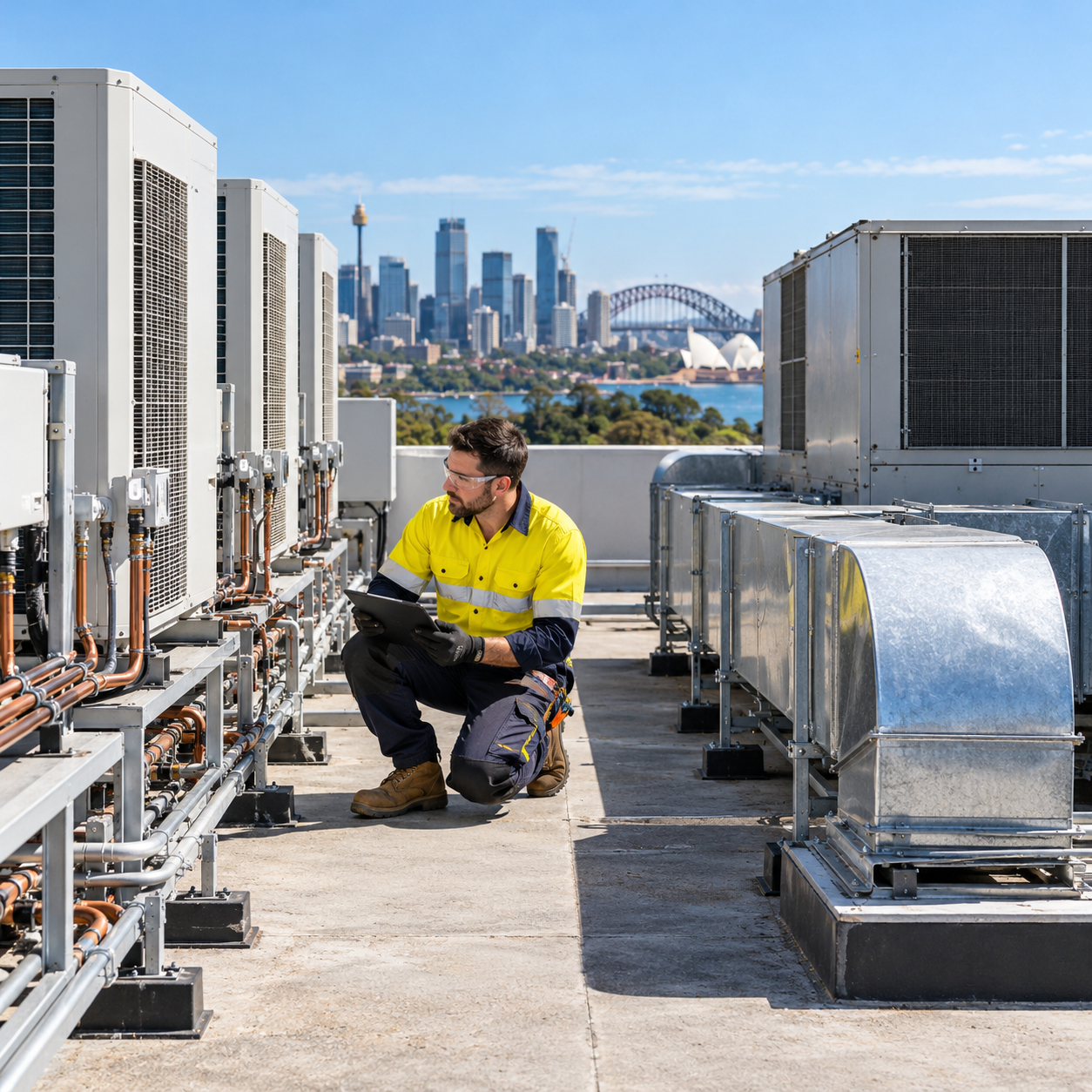
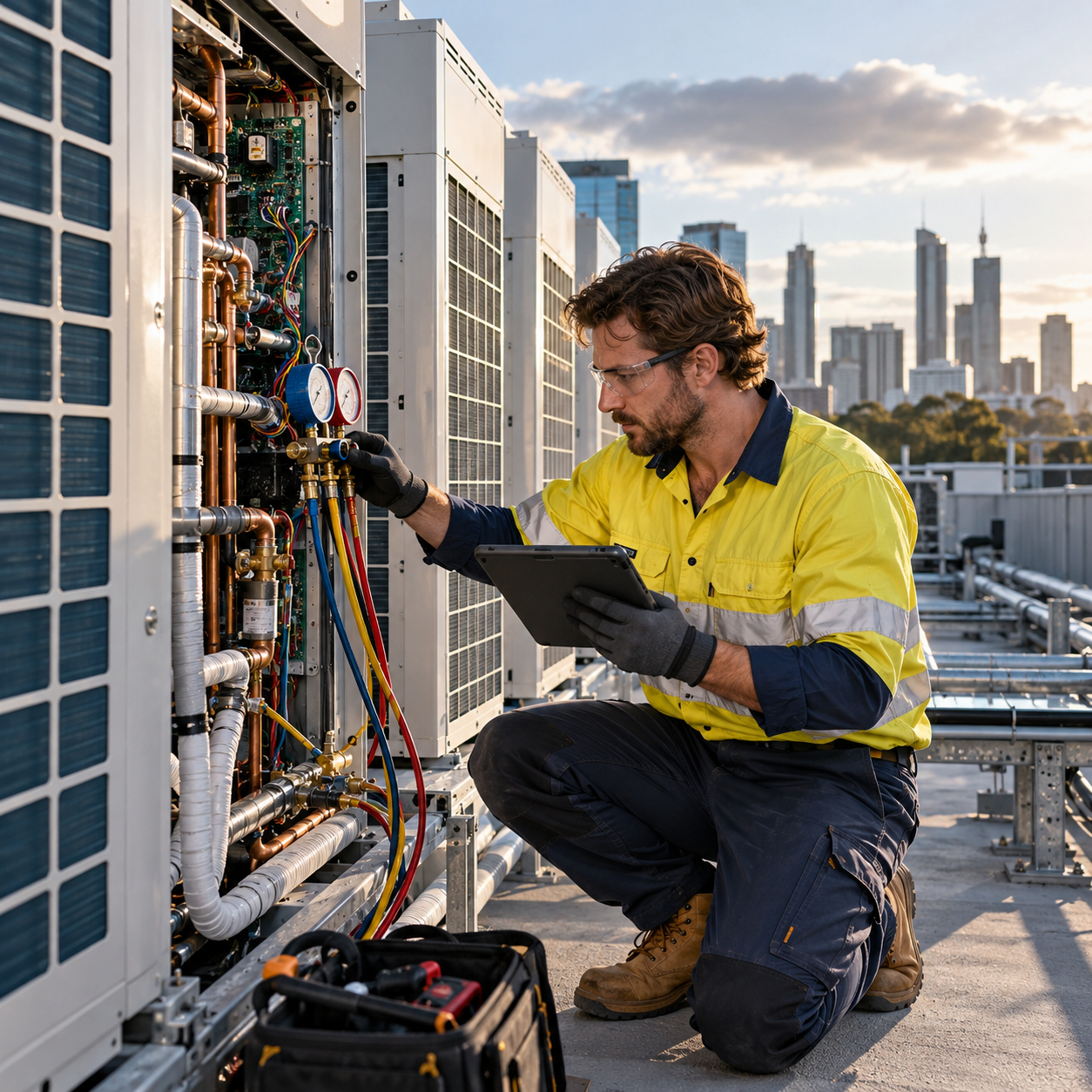
Air conditioning and refrigeration is a high-opportunity trade because climate control is essential, technical and increasingly complex. Commercial refrigeration, cold rooms, supermarket systems, building management controls, VRF equipment and industrial cooling all need technicians who can diagnose problems quickly and work safely.
Qualified refrigeration and air conditioning mechanics can build particularly strong incomes in service and maintenance. Unlike one-off installation work, maintenance clients need ongoing support, and urgent faults can create after-hours and call-out opportunities. A technician who understands both refrigeration fundamentals and electrical fault-finding is far more useful than someone who only replaces parts.
This pathway can suit working tradies who already have hands-on exposure but need a recognised qualification to progress. The exact licence, refrigerant handling authorisation and work permissions required will depend on the role and jurisdiction. Compliance is not paperwork at the end – it is part of being employable and trusted in the field.
Plumbers and gasfitters
Plumbing remains a dependable high-earning trade, particularly when paired with gasfitting, commercial maintenance, drainage, mechanical services or specialist construction work. Qualified plumbers are needed for new builds, renovations, public infrastructure, facilities maintenance and emergency repairs. Those who build a reliable local reputation can also create a profitable business through repeat clients and referrals.
Gasfitting adds further value because it expands the work you can legally perform. The highest earnings are rarely created by standard domestic jobs alone. They tend to come from a mix of technical capability, efficient scheduling, difficult fault work and the ability to manage clients, materials and compliance without cutting corners.
Business ownership can lift the ceiling, but it also introduces risk. You are responsible for quoting, cash flow, insurance, staff, customer disputes and rectifying defects. A licence gives you access to opportunity; good systems and commercial discipline turn that opportunity into sustainable income.
Instrumentation and industrial electrical technicians
Instrumentation is not always the first trade people think of, yet it can be among the most lucrative for electricians moving into industrial environments. These technicians work with sensors, control systems, process equipment and automated plants in sectors such as resources, manufacturing, water treatment and energy.
The work demands precision. A small error in an instrument loop or control system can stop production, affect safety or create major operational costs. That responsibility is why industrial experience, further training and site-specific tickets can attract higher rates. Regional and remote work can add allowances, although it may also mean long swings away from home.
For an electrician with an appetite for technical problem-solving, instrumentation is a smart example of how specialisation can lift earning power beyond general domestic work.
Lift and escalator technicians
Lift mechanics and technicians can earn strong incomes due to the specialised nature of the work and the critical need for reliable vertical transport in apartments, offices, hospitals and transport hubs. The work combines mechanical systems, electrical controls, safety devices and planned maintenance.
Entry can be more competitive than in broader trades, and employers often value specific experience. It is a career path for people who like structured fault-finding and are comfortable working around high-consequence equipment. Depending on the work performed, electrical licensing and additional training requirements may apply.
Fire protection technicians
Fire protection work can offer solid earnings, especially in commercial buildings, industrial sites and compliance-focused maintenance. Systems may include fire detection, alarms, pumps, hydrants, sprinklers and emergency warning equipment. The work matters because failure is not merely inconvenient – it can put lives, property and businesses at risk.
Pay improves with technical breadth and the ability to inspect, test, identify defects and complete compliant rectification. Some fire protection roles have distinct qualifications and licensing requirements, while others overlap with electrical, plumbing or mechanical work. Check the regulatory position for the exact tasks you want to perform rather than assuming one ticket covers everything.
Salary is only one part of the calculation
A high advertised rate can look attractive until you account for travel, unpredictable call-outs, remote rosters or subcontractor expenses. Conversely, a slightly lower base wage in a stable service role may give you regular hours, a vehicle, paid training and a path into leadership or business ownership.
Ask better questions when comparing trade pathways. What work will this qualification allow me to perform? Is demand local or will I need to travel? Can I build recurring maintenance income? What are the state licensing steps after I complete training? And does the pathway fit around my current job and family commitments?
Those answers matter more than chasing a single salary number. The right trade is one where the work is available, you can become genuinely capable and your qualification removes a real barrier to progression.
Get qualified without putting your life on hold
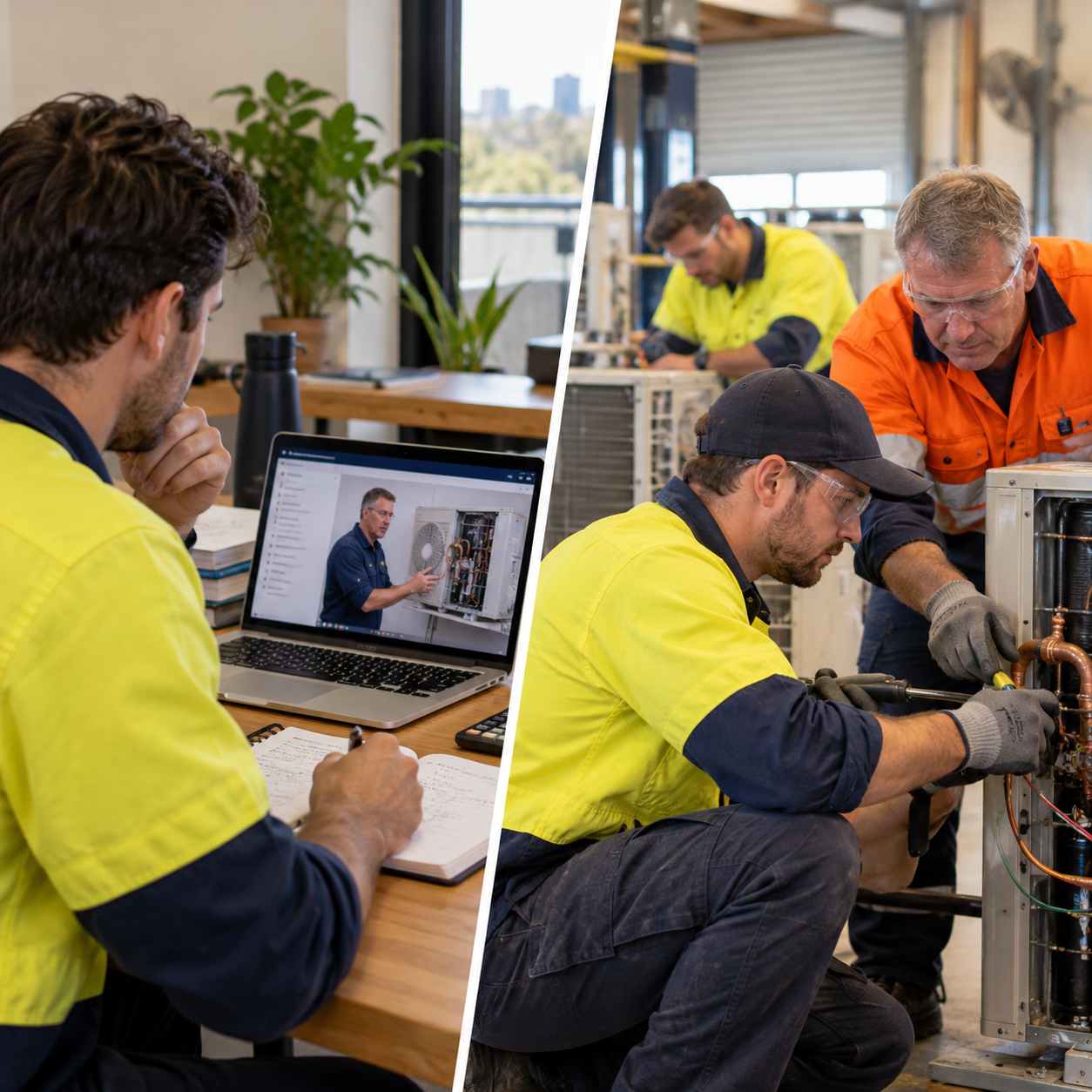
The traditional apprenticeship model works for many people, but it is not the only route for adults who already have relevant experience or need to keep earning while they train. A flexible, competency-based program can help you complete the same accredited curriculum with online theory, practical workshops and structured support – provided the pathway is legitimate, properly assessed and aligned with licensing requirements.
At Alpha Technical Training, the focus is on helping eligible tradies progress through nationally recognised training while balancing work and family responsibilities. Practical workshops led by active industry professionals keep the learning connected to the job, while clear LMS tracking makes progress visible instead of letting study drift for months.
Do not confuse speed with shortcuts. The financial upside comes from completing the required competencies efficiently, documenting your capability properly and following through on every licence or authorisation needed for the work you want to do. That is the difference between being busy on the tools and being qualified to earn at the next level.
Choose the trade that matches your strengths, then choose a compliant pathway that gets you moving. The sooner your experience is backed by recognised credentials, the sooner better work becomes an option you can actually pursue.