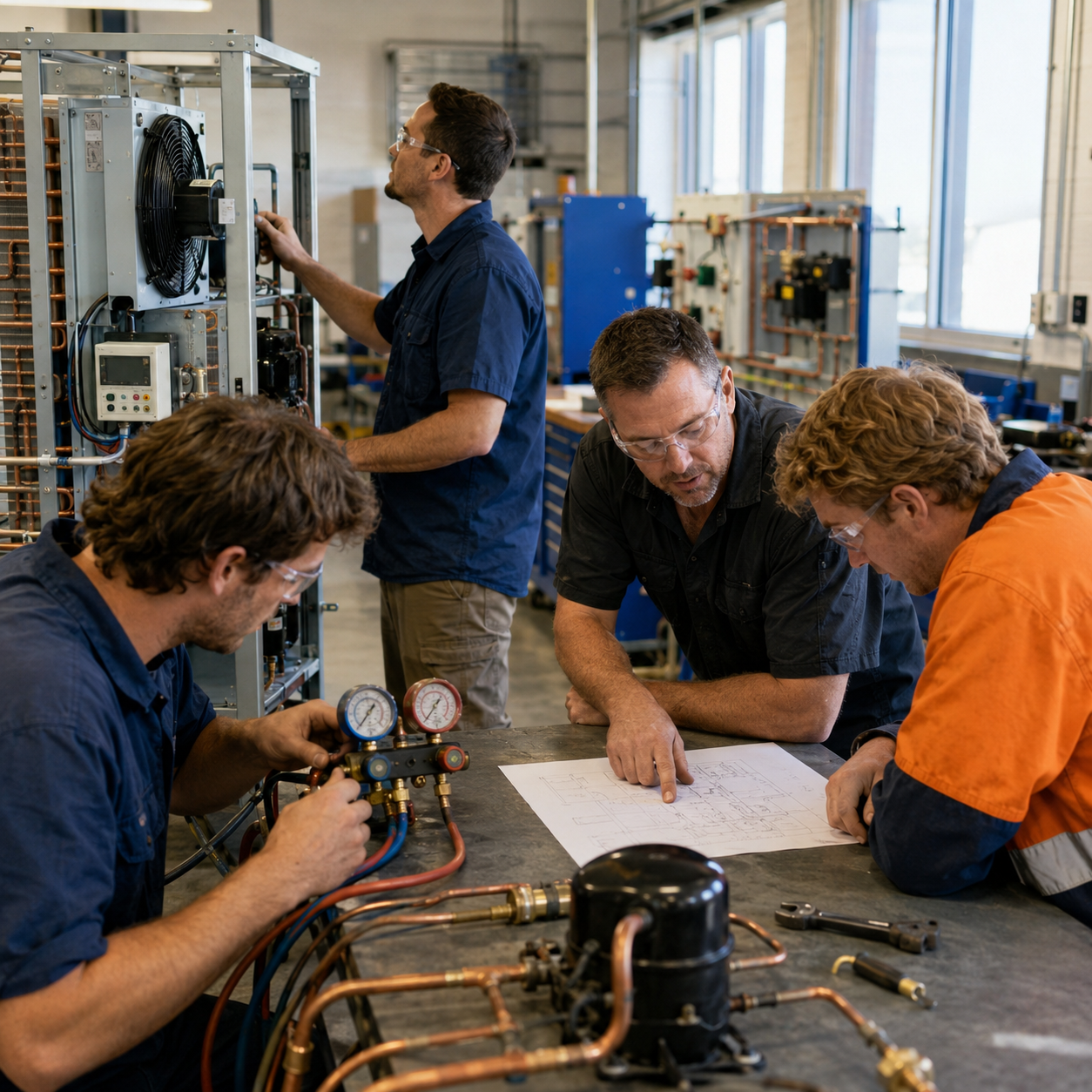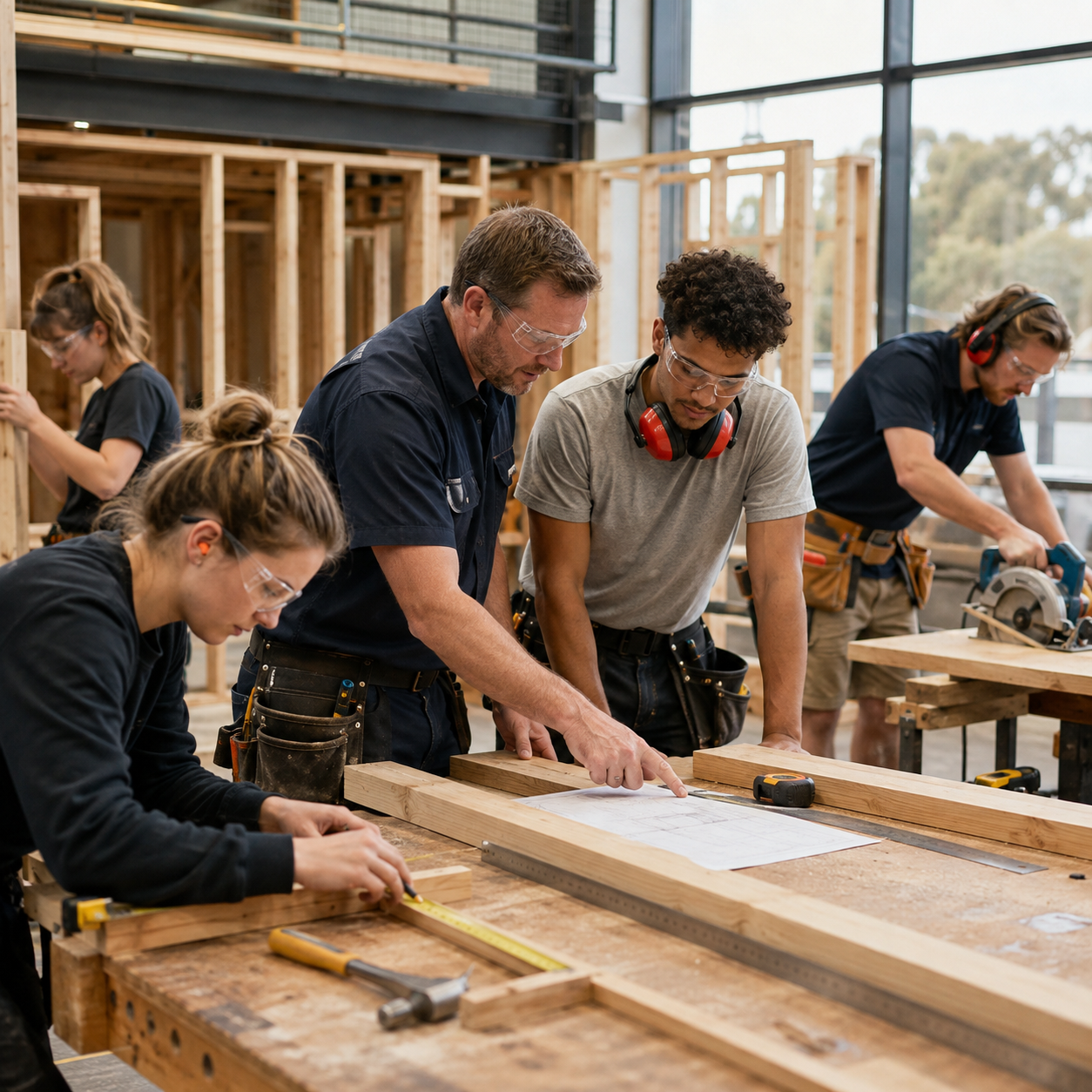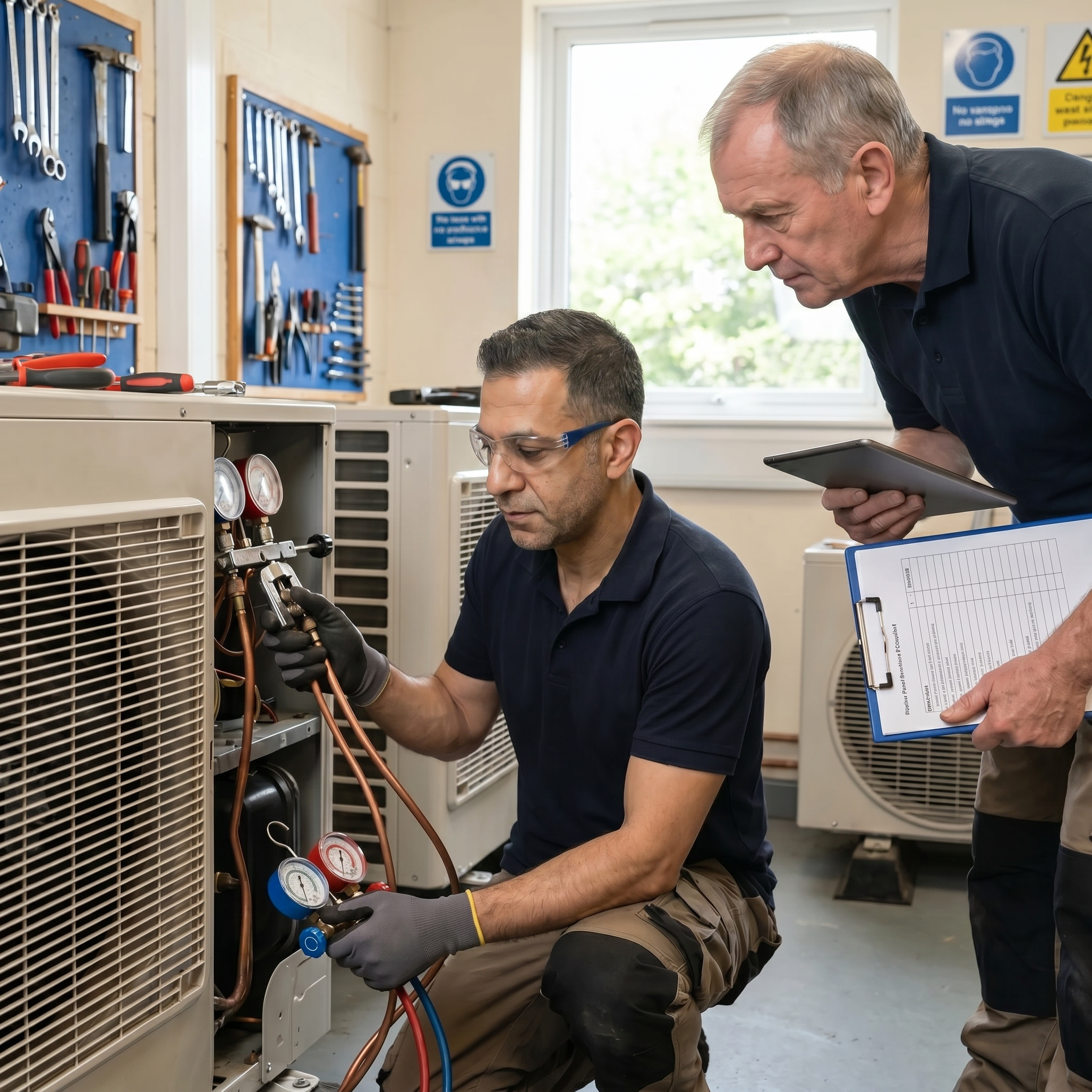
If you’re already on the tools, the last thing you need is a training model that wastes your time. Practical trade workshops exist for one reason – to turn theory into job-ready capability, assess you against real industry standards, and move you towards qualification without dragging you through years of unnecessary delay.
For working tradies, that matters. You are not starting from zero. You may already be installing systems, fault-finding, maintaining plant, dealing with clients, and carrying real responsibility on site. What you need is structured, compliant training that recognises where you’re at, closes skill gaps properly, and helps you get qualified in a way that fits around work and family.
Why practical trade workshops matter
A trade qualification is not just about passing theory. In licensed and regulated industries, especially air conditioning and refrigeration, competence has to stand up in the real world. That means using tools correctly, following safe procedures, working to Australian standards, diagnosing faults accurately, and completing tasks to an assessable standard.
This is where practical trade workshops earn their value. Online learning can handle knowledge, calculations, regulations, component identification and system concepts very well. But hands-on performance still needs to be seen, coached and verified. If a training provider skips that, the student carries the risk later – on site, with customers, with compliance, and eventually with licensing.
The strongest workshop model does not treat practical training as an afterthought. It makes workshops the point where everything clicks. Theory gives you the framework. Workshops prove you can apply it under supervision, with the right sequence, technique and safety mindset.
Practical trade workshops vs traditional apprenticeships
For many adults, the comparison is not between training and no training. It is between a traditional apprenticeship pathway and a faster, more flexible qualification pathway that still meets accredited requirements.
The old model works well for school leavers who have time on their side. It is less suitable for a 28-year-old installer with bills, kids and a mortgage, or a technician who has been doing the work but still lacks the formal qualification. In that situation, stretching training across several years can be financially costly.
Practical trade workshops support a different structure. Instead of sitting in a classroom every week or waiting for sporadic exposure on the job, students can complete theory in a self-paced format and attend scheduled in-person workshops to focus on the practical tasks that matter. That approach reduces dead time. It also gives students clearer momentum because progress is visible and tied directly to units of competency.
That does not mean every student should choose the accelerated path. If someone is completely new to the trade, has no field exposure and needs daily immersion, a traditional apprenticeship may still be the better fit. But for experienced workers who need formal recognition and a compliant pathway to qualification, practical trade workshops often make far more commercial sense.
What good practical trade workshops actually look like
Not all workshops are equal. Some are little more than attendance sessions. Others are built properly, with real equipment, clear assessment criteria, active trainers and a direct connection to workplace outcomes.
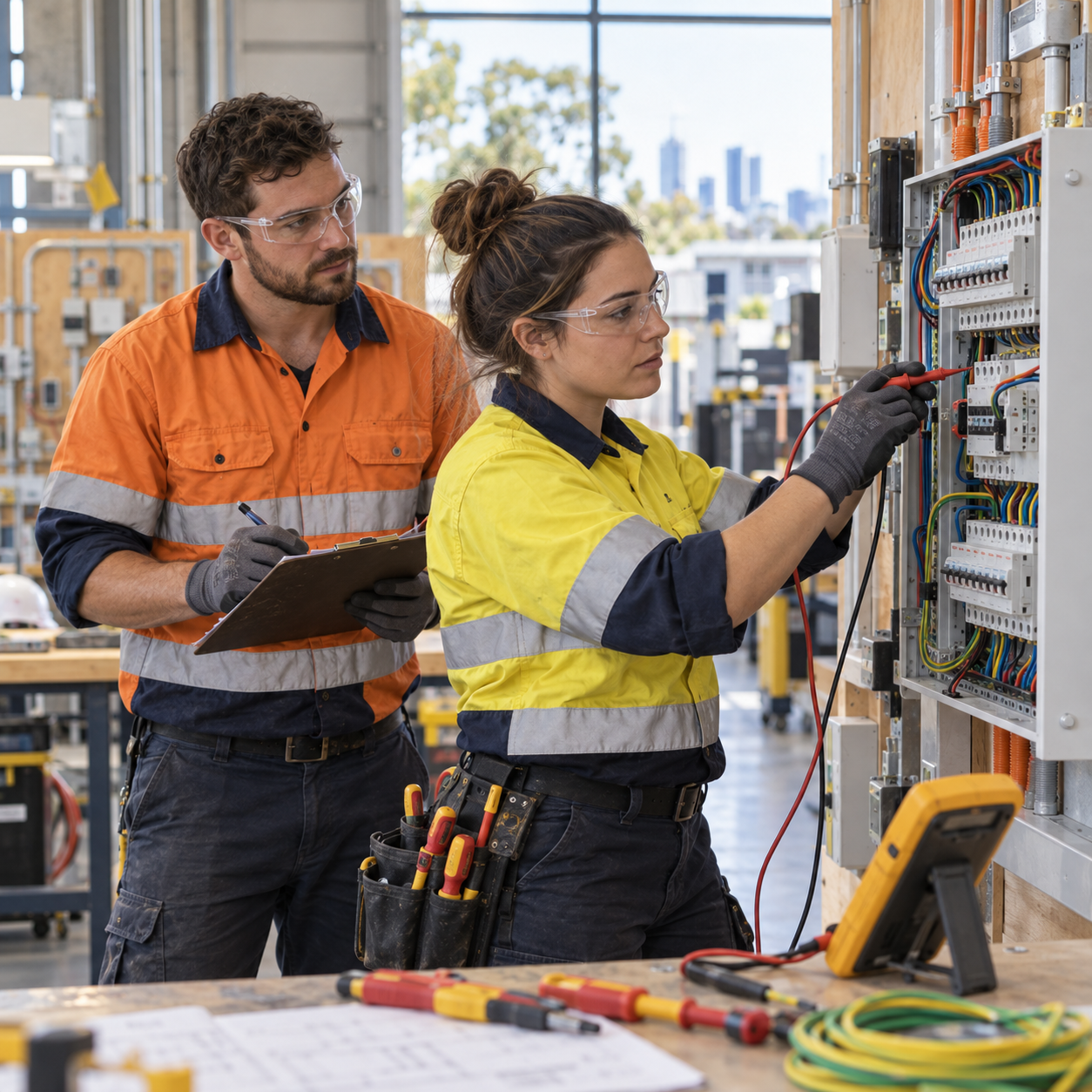
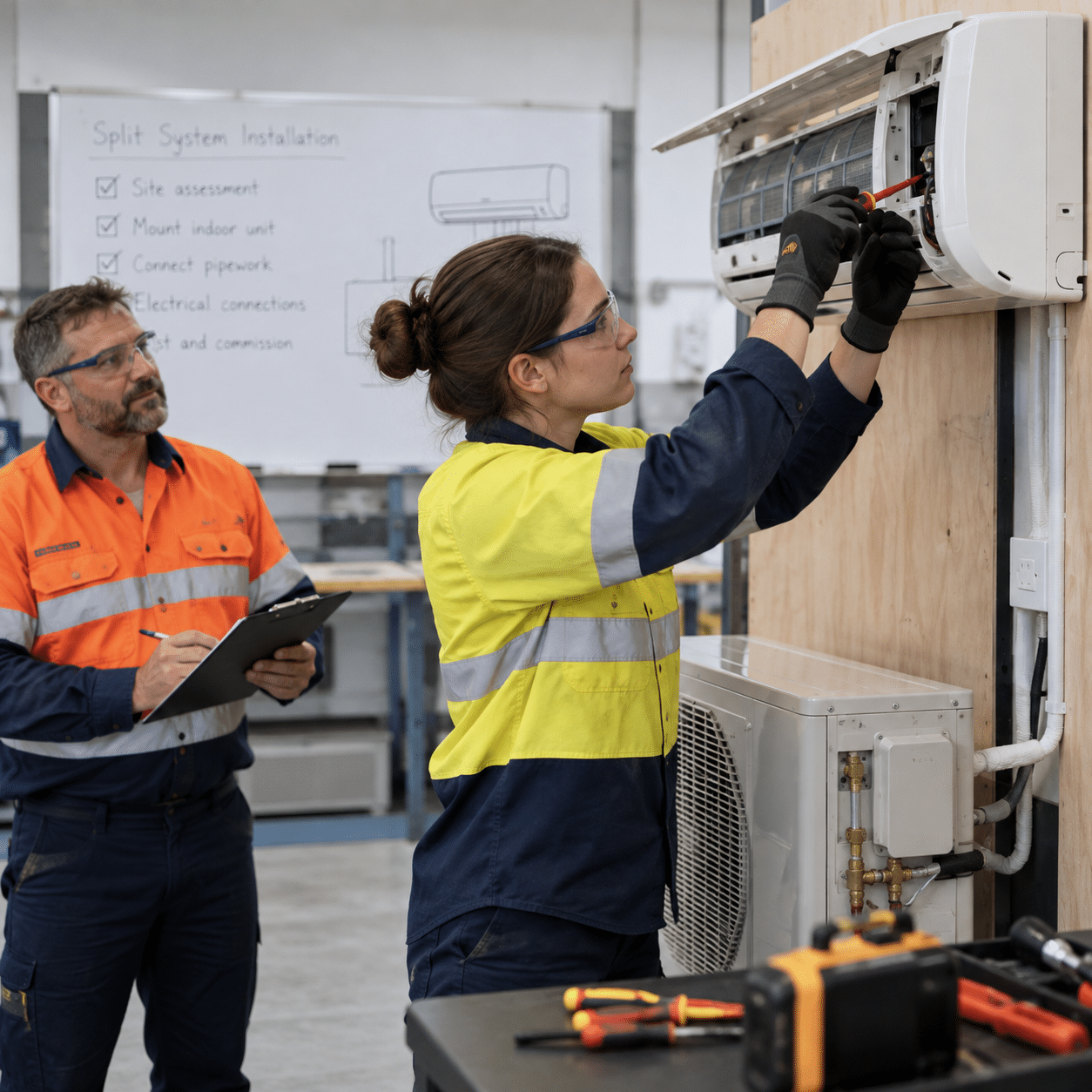
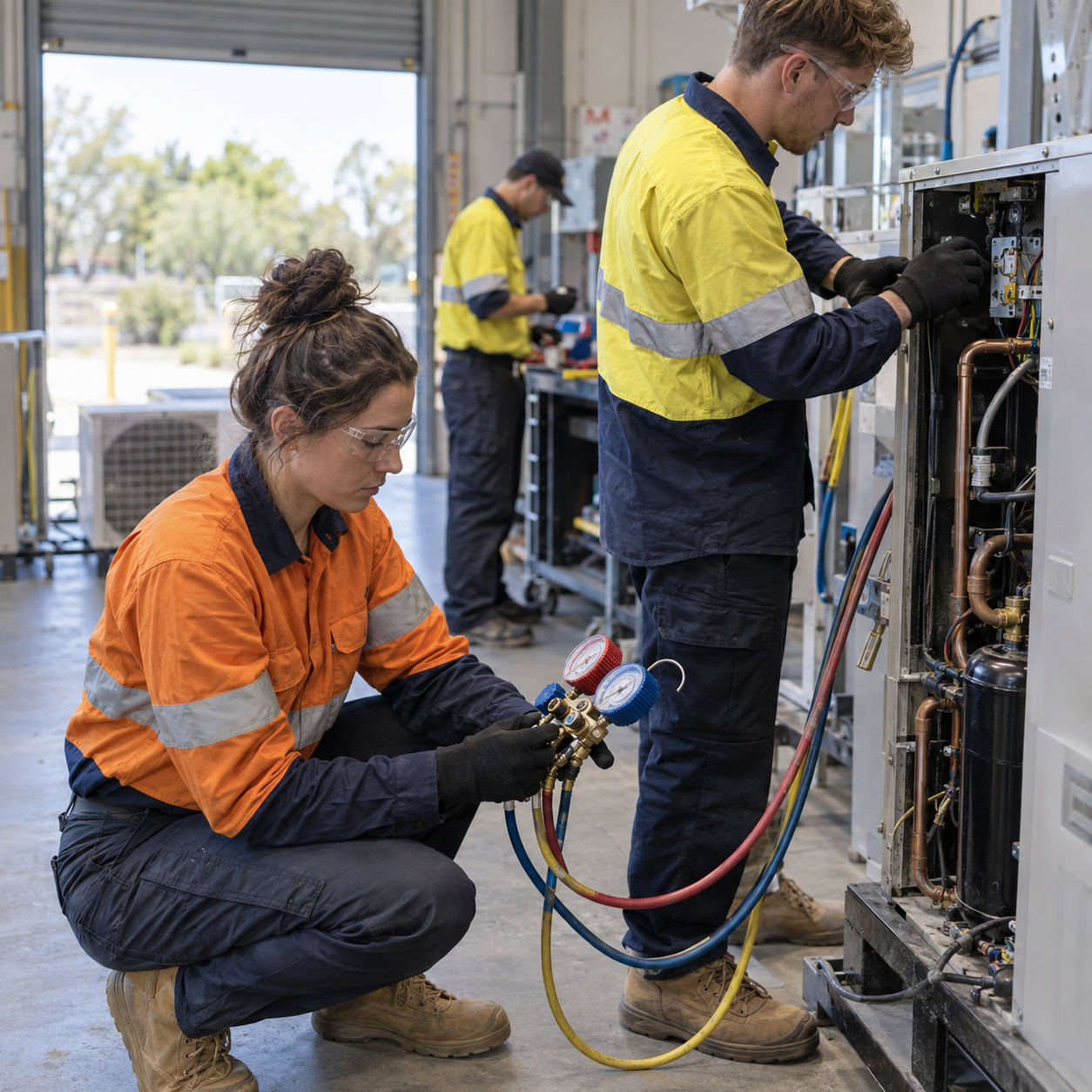
The difference shows up quickly. A strong workshop gives you structured exposure to the exact tasks you need to perform competently. In air conditioning and refrigeration, that can include pressure testing, evacuation, charging procedures, electrical testing, safe isolation, fault diagnosis, pipework practices, component replacement and system commissioning. You are not there to watch someone else do it. You are there to complete tasks yourself, under the guidance of trainers who know what current site work actually looks like.
That matters because industry relevance is not a nice extra. It affects employability, confidence and speed to income. A trainer who is still active in the field can point out the difference between textbook process and what happens when you’re in a roof space in summer, working to a deadline, with a customer waiting for an answer.
The role of compliance in practical trade workshops
Speed only works when compliance stays intact. That is the line serious providers do not cross.
In vocational training, especially where licensing or regulated work is involved, shortcuts create long-term problems. Students may finish quickly on paper but still struggle to meet workplace expectations or licensing requirements. Worse, they can end up paying twice – once for weak training, and again to fix the gaps.
Practical trade workshops are one of the key controls that protect quality. They allow assessors to verify performance against nationally recognised competency standards in a way that is observable and defensible. For the student, that means the qualification holds weight. For employers, it means the person turning up on site has been measured properly. For the student planning to pursue licensing, it helps reduce friction later.
This is why the best providers combine self-paced learning with structured LMS tracking and scheduled practical attendance rather than leaving students to figure it out alone. Flexibility matters, but structure is what gets people through.
Why working adults benefit most from this model
The biggest barrier for many tradies is not motivation. It is logistics.
Full-time work, changing rosters, family commitments and travel time can make fixed weekly classes unrealistic. Practical trade workshops solve part of that by concentrating in-person training into planned blocks, while theory is completed around your existing life. That lets students keep earning while progressing towards the same accredited outcome.
There is a real financial angle here. The longer you stay unqualified, the longer your earning capacity stays capped. You can be doing skilled work every day and still miss out on better jobs, contractor opportunities, licensing pathways or business growth because your paperwork is behind your actual ability. A faster qualification pathway is not just convenient. It can improve your income trajectory much sooner.
That said, flexibility is only useful if you use it. Self-paced study rewards discipline. Students who set weekly targets, stay current in the LMS and turn up prepared for workshops usually move faster and with less stress. Students who leave everything until the last minute often create their own delays.
How to judge practical trade workshops before you enrol
If you’re comparing providers, ask direct questions. How often are the workshops run? What equipment will you train on? Who delivers them? Are the trainers current industry professionals? How are practical assessments conducted? What support exists between workshop sessions? How visible is your progress through each unit?
You should also look at the provider’s completion support. Fast enrolment means nothing if the student is left stranded halfway through. The right provider should be able to explain the training plan clearly, map out expectations, and show how practical sessions fit into the broader qualification pathway.
For students aiming at air conditioning and refrigeration qualifications, this becomes even more important. The technical detail is too significant to leave to vague promises. You need a provider that treats practical competence, compliance and licensing readiness as connected outcomes, not separate issues.
Alpha Technical Training has built its model around that reality – flexible theory, structured progress tracking and monthly practical workshops led by active industry professionals. That matters because adults do not need more delay. They need a pathway that respects their experience, keeps them compliant and gets them qualified sooner.
What results should you expect?
Good practical trade workshops should give you three things. First, they should sharpen your hands-on capability so you are more effective on site. Second, they should create assessable evidence that moves you through your qualification. Third, they should build confidence, because competence is easier to back when you have repeated tasks under proper supervision.
You should not expect magic. Workshops cannot replace all workplace learning, and they do not remove the need for effort. But they can dramatically improve the efficiency of your training. Instead of waiting months to encounter the right task on the job, you can complete targeted practical activities in a controlled environment and progress with purpose.
That is the real value. Practical trade workshops compress wasted time without cutting standards. For a working tradie, that can be the difference between staying stuck and moving into better pay, stronger job security and a clear path to licensing.
If you’re serious about getting qualified, look for training that respects both sides of the equation – speed and substance. The right workshop model will not just teach you the trade better. It will help you turn the experience you already have into the career leverage you should have had earlier.