Plenty of tradies spend years doing refrigeration work without the qualification that actually moves their career forward. That gap costs money. Refrigeration cert 3 training is the point where experience turns into a nationally recognised outcome, and for many working adults, it is the difference between staying stuck on lower rates and stepping into licensed, better-paid work.
If you are already on the tools, the real question is not whether the qualification matters. It does. The better question is how to get it done without walking away from full-time work, blowing out the timeline, or getting buried in a training model that does not suit adult learners.
What refrigeration cert 3 training actually is
In practical terms, refrigeration cert 3 training usually refers to the Certificate III pathway that prepares workers for a formal qualification in air conditioning and refrigeration. In Australia, this matters because the industry is regulated, employers look for recognised credentials, and licensing pathways depend on compliant training.
This is not just box-ticking. It covers the theory and practical skills behind installing, servicing and fault-finding refrigeration and air conditioning systems, along with electrical safety, compliance requirements, refrigerant handling, system components and workplace standards. If you want to progress from being the person who helps out on jobs to the person who can legally and confidently carry more responsibility, this qualification is a serious lever.
That said, not every student starts from the same point. A school leaver entering the trade has different needs from an experienced worker who has already spent years around split systems, ducted units or commercial refrigeration plant. That is why delivery model matters as much as curriculum.
Why tradies look for faster refrigeration cert 3 training
Most adults searching for this training are not looking for a classroom experience. They are looking for a pathway that respects the fact they already work, already have bills, and already know that dragging out qualification delays income growth.
The traditional apprenticeship model can still suit some people, especially younger entrants with time on their side and an employer committed to a long development process. But for experienced workers, it can feel slow, inflexible and financially frustrating. If you are already doing relevant work, spending years waiting for the paper to catch up with the skills rarely makes commercial sense.
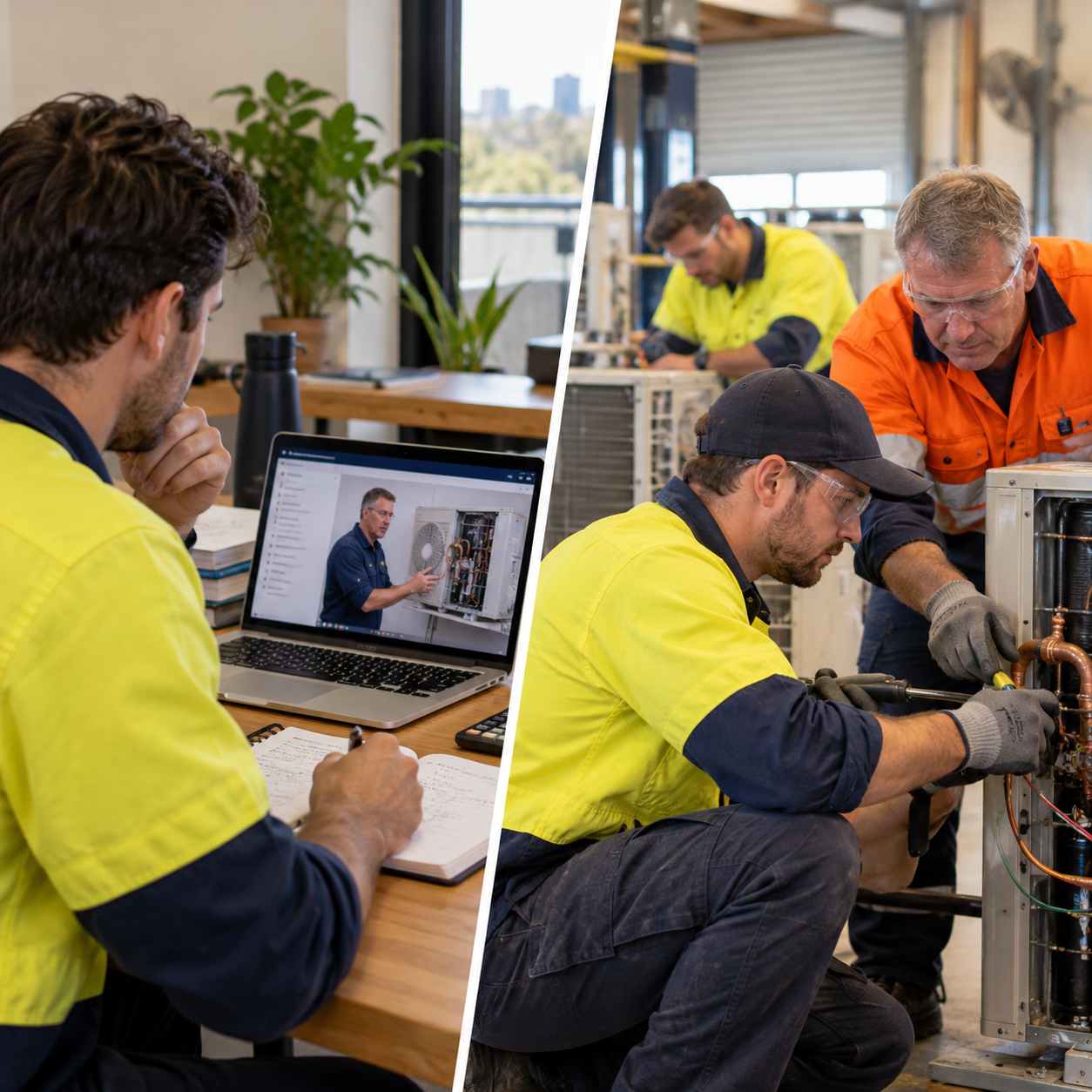
That is why accelerated and blended delivery has become so attractive. When training combines self-paced online theory with structured progress tracking and hands-on workshop blocks, students can keep earning while moving toward the same accredited outcome. The gain is obvious – less disruption, clearer momentum, and a faster line of sight to better rates and broader job access.
There is a trade-off, though. Faster does not mean easier. A compressed pathway still demands discipline, attendance at practical sessions, evidence of competence and a willingness to stay on top of assessments. The difference is that the schedule is designed around working adults rather than around a one-size-fits-all training calendar.
What to look for in a refrigeration cert 3 training provider
This is where a lot of people make the wrong call. They compare course prices and miss the bigger cost of poor support, weak structure or slow assessment turnaround. Cheap training that drags on for months longer than expected is rarely cheap in the end.
A strong provider should offer nationally recognised training, a delivery format that suits employed adults, clear milestones, practical workshop access and support that goes beyond enrolment. If your goal is not just to study but to qualify and move toward licensing, you need a provider that understands the whole pathway.
Look closely at how the course is delivered. Self-paced online theory can be a major advantage if it is backed by a proper LMS, visible progress tracking and trainers who actually respond. Monthly practical workshops can also work well because they let you build hands-on competence without disappearing from work every week. For many students, that balance is the difference between completing and dropping off.
Support is another major factor. The best providers do not just hand over learning materials and wish you luck. They keep students accountable, clarify evidence requirements, and help remove barriers before those barriers turn into delays. That matters even more if you are juggling work, family and study.
How long does refrigeration cert 3 training take?
This depends on your starting point, your availability and the training model. Someone entering from scratch will generally need more time than a worker with solid industry exposure. The amount of relevant evidence you can provide, the pace at which you complete theory, and how consistently you attend practicals all affect the timeline.
For working adults, the biggest advantage of a well-designed accelerated model is that progress becomes measurable. Instead of waiting for a fixed-term apprenticeship to play out, you move unit by unit with a clear view of what is left. That matters psychologically as much as practically. Seeing progress keeps people engaged.
Be wary of any provider promising magic timelines with no mention of competency, practical assessment or compliance. In this industry, shortcuts that bypass standards are not a benefit. They are a risk. The goal is speed without sacrificing the accredited requirements that employers, regulators and licensing bodies expect.
Career outcomes after refrigeration cert 3 training
For most students, the qualification is not the finish line. It is the point where more doors open.
Once qualified, workers are in a stronger position to apply for better roles, negotiate higher pay and pursue licensing pathways relevant to refrigeration and air conditioning work. That can mean moving from basic installation support into service, maintenance, diagnostics or specialist commercial work. Over time, it can also create a pathway toward subcontracting or running your own operation.
The income effect is a major reason people act. Certified workers are generally more valuable because they reduce employer risk, meet compliance expectations and can take on a broader scope of work. If you are currently capped by not having the ticket, every month you delay can mean another month earning less than your skill level justifies.
There is also a long-term security angle. Trades linked to cooling, refrigeration and climate control remain essential across residential, commercial and industrial sectors. Qualified technicians are better positioned to stay employable as standards tighten and customers demand properly credentialed work.
Is this pathway right for you?
If you are fresh out of school and want the classic apprenticeship experience, a traditional route may still be the better fit. But if you are already working, already carrying responsibilities, and already know that a drawn-out timeline does not suit your life, a flexible qualification pathway makes far more sense.
This is especially true for adults who have practical exposure but need structure around theory, compliance and formal assessment. A blended model gives you room to study after hours, turn up for practicals, and keep your income moving. For many tradies, that is the smartest financial decision available.
At Alpha Technical Training, that model is built specifically for people who cannot afford to put life on hold just to get qualified. The focus is simple – nationally recognised training, practical support, and a faster path to the same compliant outcome.
The real cost of waiting
A lot of workers delay training because they are busy. Fair enough. But busy has a price. Every year spent without the qualification can mean missed promotions, lower hourly rates and less control over where your career goes.
On the other hand, starting now does not mean stepping away from everything else. With the right structure, refrigeration cert 3 training can fit around full-time work and family commitments while still moving you toward a recognised result. That is the shift more tradies are making – not because they suddenly have extra time, but because they are done letting the lack of a qualification limit their earning power.
If your experience is already there, the next move is getting it recognised through a training pathway that is flexible, compliant and built to finish. The sooner that starts, the sooner your work starts paying you what it should.