You may have spent years pulling cable, fault-finding systems, installing units, reading plans or leading jobs on site – yet still be judged on the piece of paper you do not hold. A recognition of prior learning trade qualification pathway is designed for experienced workers whose real-world capability deserves formal assessment, not a restart from day one.
For the right candidate, RPL can turn documented workplace experience, existing training and proven practical skills into credit towards a nationally recognised qualification. It is not a shortcut around competency. It is a structured assessment process that asks a simpler question: can you prove you already meet the required standard?
That distinction matters. A strong RPL process respects the work you have already done while protecting the credibility of the qualification you are working towards.
What recognition of prior learning actually assesses
Recognition of prior learning, usually called RPL, assesses skills and knowledge you have gained through work, previous study, industry training and practical experience. The evidence is measured against the units of competency that make up a qualification.
This is not based on how long you have worked in a trade alone. Time on the tools helps, but assessors need evidence that you have performed the right range of tasks, in the right conditions, to the expected standard. Someone with five years of narrowly focused work may need more gap training than someone with two years of broad, well-documented experience.
For electrical, air conditioning, refrigeration and construction workers, that evidence can show experience across installation, testing, maintenance, fault-finding, planning, safety procedures, documentation and customer or site communication. The exact requirements depend on the qualification and the work you have completed.
A compliant assessment also looks beyond the finished result. You may be asked how you planned the job, selected equipment, managed risks, interpreted specifications, responded to a fault or confirmed that the work met workplace requirements. Good tradies know the answer because they have done the work. The assessment gives them the opportunity to demonstrate it properly.
Who is a strong candidate for an RPL trade qualification?
RPL is often a practical option for workers who have built their experience outside a standard apprenticeship pathway. You may have worked under supervision for years, learned within a family business, completed overseas trade training, moved from a related role or developed specialist skills through steady site experience.
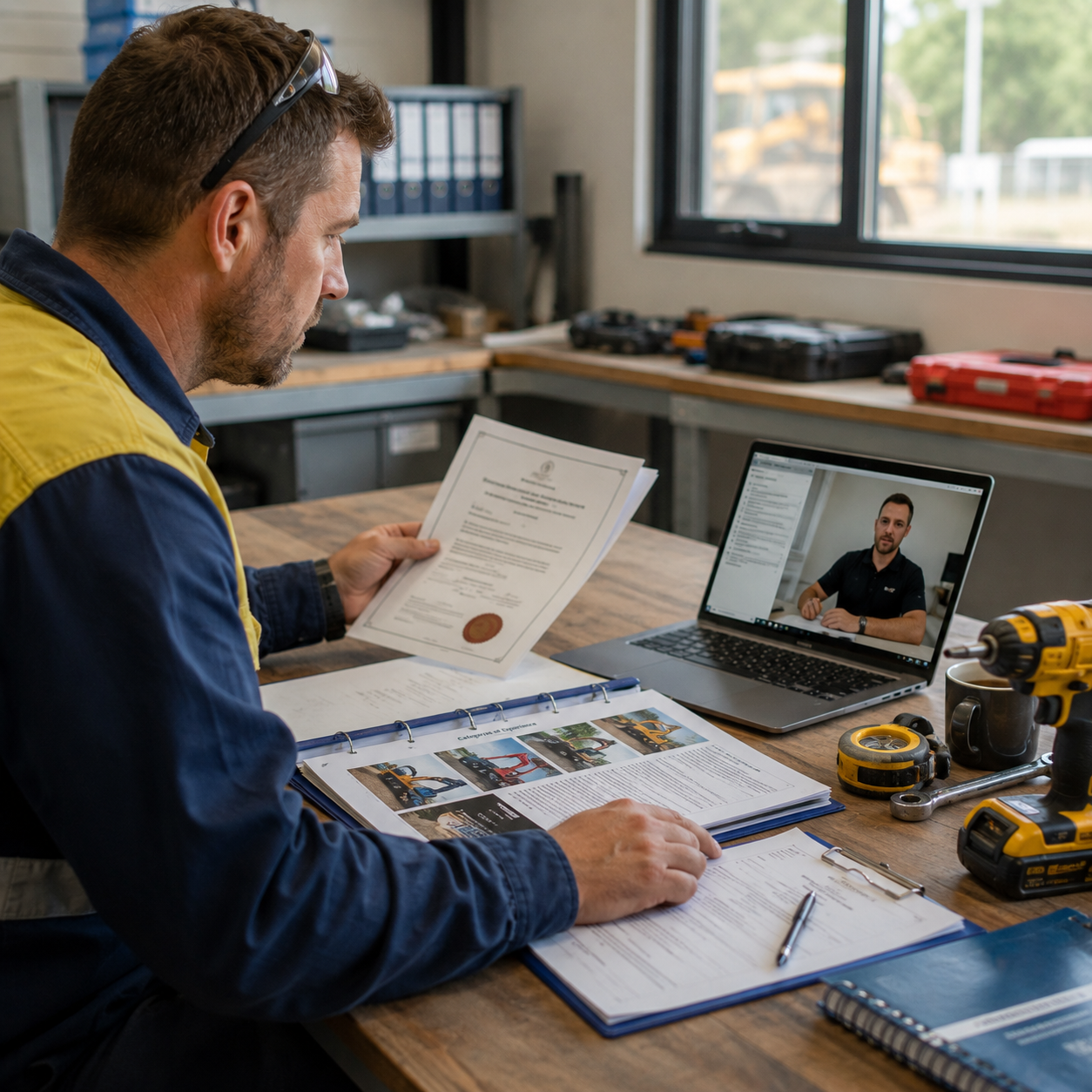
The strongest candidates usually have a clear work history and can produce evidence without scrambling to recreate every job. This may include references from supervisors, job cards, work orders, photographs, project records, training certificates, resumes, videos of practical work, supplier records and examples of completed documentation.
Evidence must be your own, current enough to show your skills remain relevant and detailed enough for an assessor to verify. A photo of an installation, for example, is useful only when it can be connected to your role, the work performed and the broader competencies being assessed. Quantity is not the goal. Relevant, verifiable evidence is.
RPL may not be the best fit if your experience is very limited, heavily restricted to one task, or difficult to substantiate. That is not a dead end. It simply means a blended pathway combining recognition with targeted training and practical assessment may be the smarter move. The right provider should tell you this upfront rather than promising a result before reviewing your background.
The process: evidence first, assessment second
A credible recognition of prior learning trade qualification process begins with a proper conversation about what you have done, not a sales pitch built on vague promises. You need to understand the qualification outcome, the evidence expected and any likely gaps before committing time to the process.
The first stage is generally an initial skills review. Your work history, previous qualifications and the type of jobs you have completed are mapped against the relevant training package requirements. This helps identify whether RPL is suitable and where additional evidence or training may be needed.
Next comes evidence collection. This is where organised workers save serious time. Rather than sending a random folder of photos, build evidence around the tasks you performed. Label files clearly, include dates and locations where appropriate, and explain your specific role. If a supervisor can verify your work, make sure their contact details are current.
An assessor then reviews the material and may use additional assessment methods. These can include professional conversations, technical questioning, workplace reports, practical demonstrations, third-party verification and workshops. This protects both you and the value of the qualification. A qualification should stand up when an employer, contractor or client asks what you can actually do.
If gaps are identified, you complete targeted training or further assessment for those areas. This is one of the major advantages of a well-run pathway: you focus on what is missing, rather than repeating every skill you have already demonstrated.
What slows an RPL application down
The fastest pathway is not the one that makes the biggest promise. It is the one with clean evidence, responsive communication and a realistic assessment plan.
Most delays come from incomplete evidence, outdated contact details for referees, unclear photos, documents that do not show the candidate’s contribution, or an assumption that years in the industry automatically equal full competency. The fix is straightforward: prepare early and be precise.
Before beginning, gather your resume, statements of service, trade-related certificates, project information and work samples. Ask referees before listing them. Sort photos into job folders. If you have completed complex or specialised work, include it – but explain the task, tools, materials, checks and outcome. Context turns a picture into usable assessment evidence.
Be honest about the work you have not done as well. Trying to bluff a competency creates delays and can expose weak spots during questioning or practical assessment. A direct gap plan is faster, more professional and far more likely to give you a result you can rely on.
Why formal recognition changes your career position
Experience gets you through the gate. Formal recognition can change what happens after that.
A nationally recognised qualification gives employers and customers a clearer measure of your capability. It can support access to roles where verified credentials are expected, strengthen your case for higher-value work and give you a stronger foundation for progressing beyond assistant-level or labour-only tasks.
It also changes how you present yourself. Instead of saying you have been doing the work for years, you can point to a qualification assessed against recognised industry standards. For experienced workers who have been underestimated because their skills were never formally recorded, that is a meaningful shift.
There is a return-on-effort question here. RPL takes organisation, evidence gathering and assessment participation. But repeating a long entry-level pathway when you already hold much of the required capability can cost more in lost time, delayed progression and missed work opportunities. The best route depends on your evidence, your current competence and the qualification you are aiming for.
Choose a provider that treats evidence seriously
Your provider should be clear about the assessment process, realistic about likely outcomes and prepared to identify gaps. Be cautious of anyone who guarantees a qualification before seeing your work history or who implies documents alone are enough for every candidate.
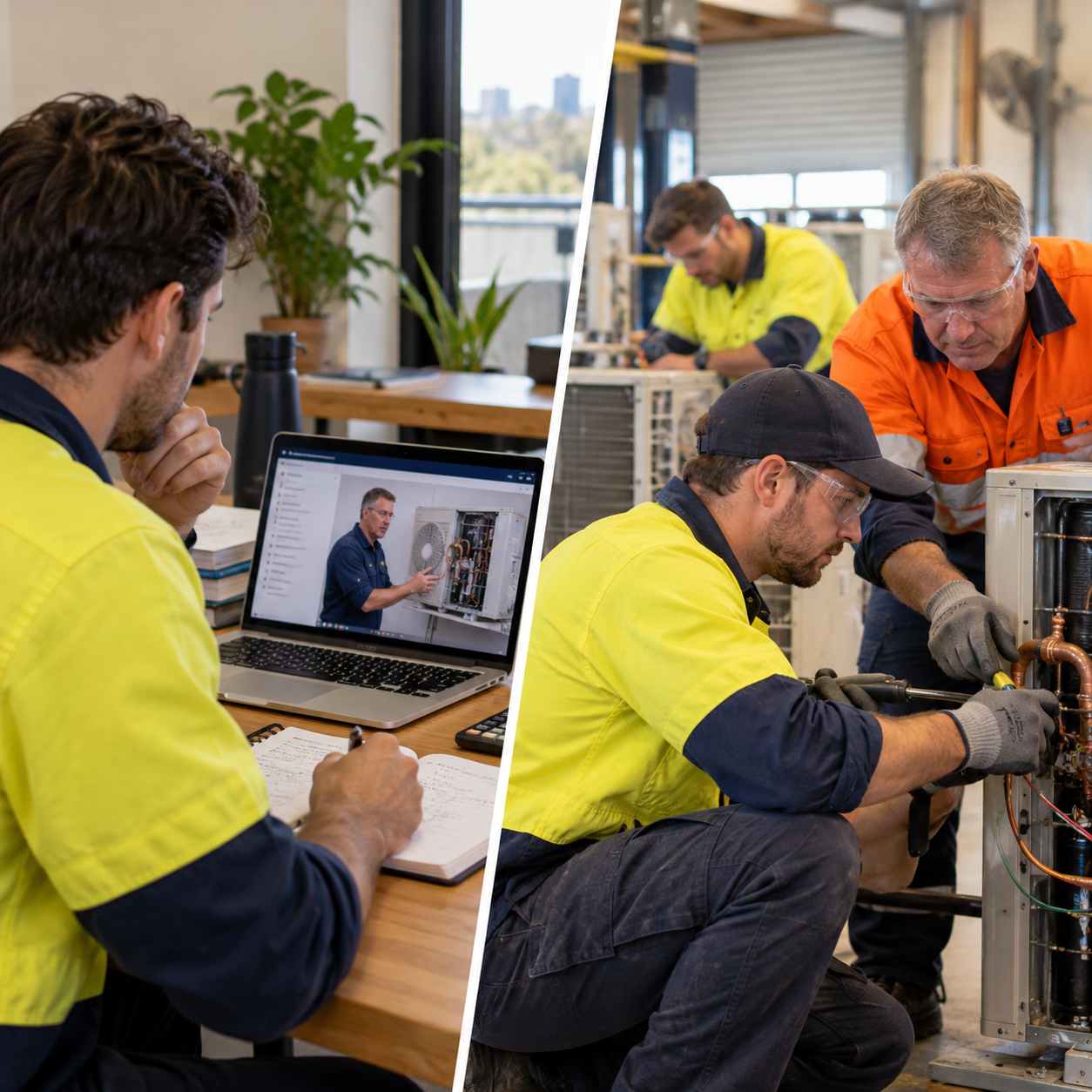
At Alpha Technical Training, experienced trade workers can access flexible, structured support that fits around work commitments, including online theory, guided evidence preparation and hands-on practical workshops where required. The focus is simple: make the process efficient without lowering the standard.
Your experience has value, but it needs to be presented in a way an assessor can verify. Start by putting your work history on paper, gathering the proof behind it and getting a straight answer about the pathway that matches your current skill level. That is how years on the tools become forward momentum.