A carpentry certificate versus apprenticeship pathway is not simply a choice between two courses. It is a decision about how quickly you can turn the skills you already have – or the skills you are ready to build – into recognised trade outcomes. For adults working on site, supporting a family or trying to move beyond labouring work, the right route can mean steady progress instead of years spent waiting for an opportunity.
The key point is this: an apprenticeship is a work-and-training arrangement. A carpentry certificate is the nationally recognised outcome you are working towards. In many cases, an apprenticeship leads to a Certificate III in Carpentry. But it is not the only way an experienced worker may demonstrate competence and complete a qualification.
Carpentry certificate versus apprenticeship pathway: the real difference
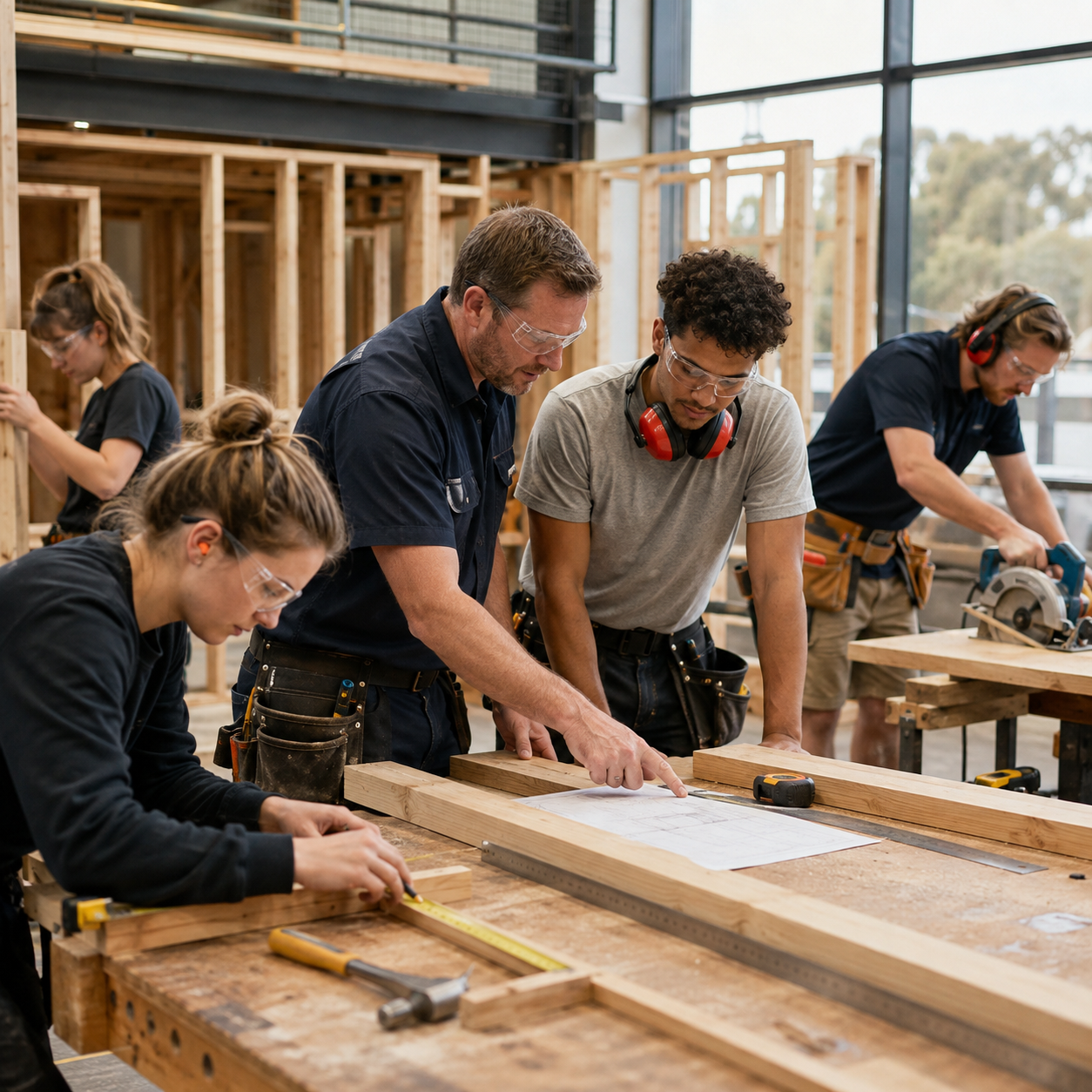
A traditional apprenticeship is designed for people entering the trade or developing their capability from the ground up. You work under supervision, build experience over time and complete formal training alongside employment. It offers a structured introduction to the trade and gives new entrants regular exposure to different stages of residential or commercial work.
A Certificate III in Carpentry is different. It is the qualification that confirms a person has met the required units and assessment standards. Depending on your circumstances, you may work towards it through an apprenticeship or through a flexible training and assessment pathway that recognises current skills, evidence and workplace experience.
That distinction matters. If you have already spent years framing walls, reading plans, setting out, installing fixings, building decks or completing fit-outs, starting as though you have never held a tool can feel like a poor return on your time. Your experience should be assessed properly, not ignored.
On the other hand, a certificate pathway is not a shortcut around competence. You still need to demonstrate that you can perform work to the required standard, understand the underpinning knowledge and provide acceptable evidence. Where gaps exist, they need to be addressed through training, practical workshops and further assessment.
When an apprenticeship is the stronger option
An apprenticeship is often the right move when you are new to carpentry and want a reliable, supported entry point. The value is not just the training. It is the daily repetition of core tasks, guidance from experienced tradespeople and the chance to develop safe, consistent habits before taking on more complex work.
This route can suit school leavers, career changers with no site exposure and workers who have only completed basic labouring tasks. It is particularly useful if you need regular oversight to build confidence with tools, measurements, materials, plans and sequencing.
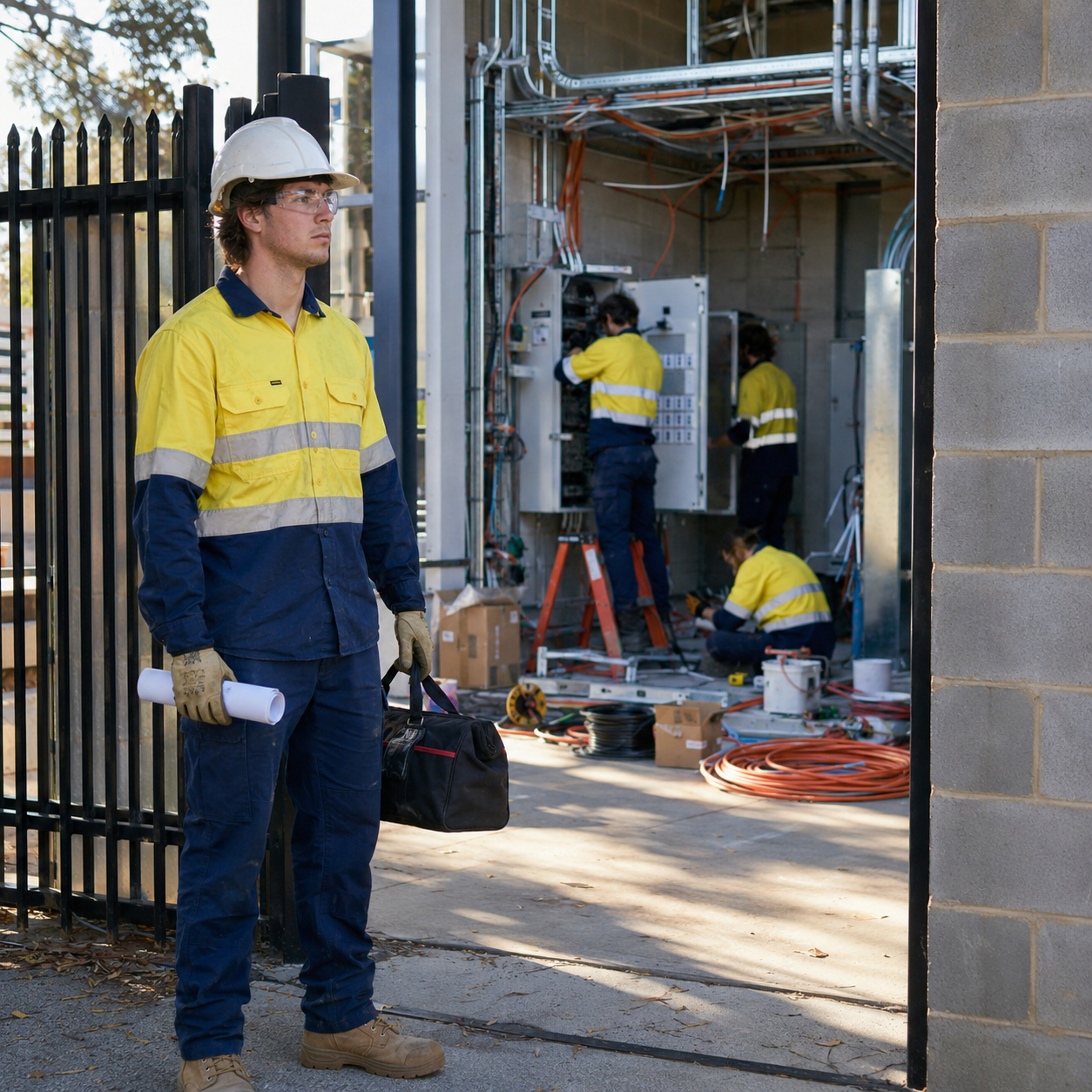
A quality apprenticeship also puts you in the flow of a real job site. You see how the work is organised, how trades coordinate and how small mistakes in set-out can create expensive problems later. That experience cannot be replaced by online theory alone.
The trade-off is pace. Apprenticeships are built around progressive development, which is appropriate for beginners. If you are already capable and consistently performing much of the work expected in carpentry, the same time frame may not reflect your actual starting point.
What makes an apprenticeship work well
The best apprenticeship experience depends heavily on the quality of the employer and the variety of work available. A trainee who only repeats one narrow task may take longer to gain confidence across the full range of carpentry activities. Good supervision, varied site exposure and deliberate skills development make a major difference.
Before committing, be realistic about whether the role will give you meaningful hands-on experience. Turning up every day is valuable, but progression comes from being trusted with increasingly technical tasks and learning why the work is done a particular way.
When a certificate pathway may suit experienced workers
For an experienced worker, a flexible certificate pathway can be a practical way to formalise capability without stepping away from work. This is especially relevant for people who have gained solid experience through subcontracting, labouring roles, overseas trade work, family businesses or years on construction sites without a completed Australian qualification.
The focus moves from serving a fixed time period to proving competence. That normally means gathering evidence of your work history, completing a skills review, addressing any gaps and undertaking assessment. Evidence may include job records, photos of completed work, references, resumes, task records and practical demonstrations, depending on the assessment requirements.
This approach rewards preparation. The more organised your evidence and the broader your verified experience, the clearer your starting position will be. A worker with extensive framing experience but limited exposure to stairs, curved work or specific fit-out tasks may still need targeted training in those areas.
That is not a setback. It is a direct path to closing the gaps that hold your qualification back. Rather than repeating what you can already do, you focus your effort where it creates the most value.
Do not confuse speed with cutting corners
The phrase “fast-track” gets thrown around in trade training, and it can create the wrong expectation. Faster does not mean automatic. A nationally recognised carpentry qualification requires credible assessment against the relevant standards. Anyone promising an outcome without proper evidence, practical verification or genuine participation should raise questions.
A strong pathway should be clear about what you need to provide, what you need to demonstrate and where practical assessment fits. It should also give you a realistic view of the work involved before enrolment, rather than selling a one-size-fits-all time frame.
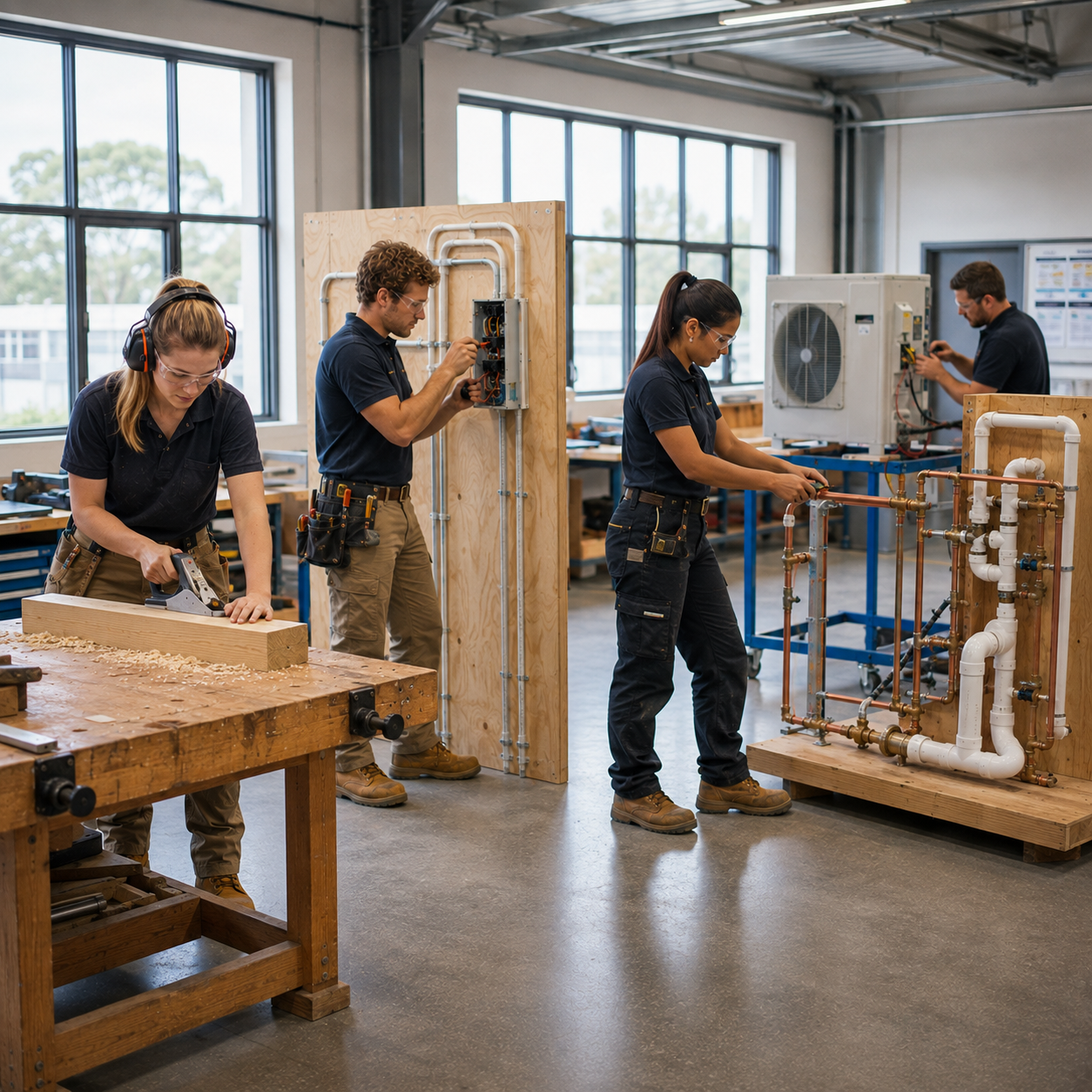
For working adults, flexibility is valuable because it reduces disruption. Self-paced theory, structured learning through an LMS and practical workshops can help you keep earning while moving towards a recognised result. But flexibility only works when you stay accountable. Set time aside each week, respond quickly to requests for evidence and treat assessment milestones like site deadlines.
Compare the pathways against your actual starting point
The right decision comes down to your current capability, not the route that sounds easiest. Ask yourself whether you can independently perform a broad range of carpentry tasks, explain the methods you use and produce evidence that stands up to assessment.
If the answer is no, an apprenticeship may give you the foundation you need. There is no advantage in rushing into a qualification process before you have built enough practical depth. The goal is to become capable, employable and confident – not simply to collect paperwork.
If the answer is yes, a certificate pathway may prevent your experience from being undervalued. You may be ready to move from being the person who assists on site to the person trusted with more responsibility, stronger job opportunities and a clearer long-term career position.
Questions worth asking before you choose
Start with the type of work you have actually performed, not just the time you have spent on site. Have you completed tasks end to end? Can you interpret plans and measurements accurately? Have you worked across different materials, building stages and carpentry applications? Can a supervisor or employer verify your contribution?
Next, consider your capacity. A traditional apprenticeship requires a long-term commitment to a structured employment and training arrangement. A flexible qualification pathway requires self-discipline, evidence gathering and the ability to balance study with work. Neither option is effortless. They simply demand different things from you.
Finally, check whether the training provider can explain the assessment process in plain English. You should know what the qualification covers, how practical competence is verified and what support is available when you hit a gap. Alpha Technical Training’s blended approach is built for tradies who need structure around existing work commitments, not theory that sits disconnected from the tools and tasks of the trade.
Make the choice that moves your career forward
The best pathway is not the traditional one by default, and it is not the fastest one on paper. It is the one that accurately matches your experience and gets you progressing with purpose.
If you are starting out, invest in the practical foundation that makes you dependable on site. If you are already doing the work, take your experience seriously and find out whether it can be assessed against a recognised carpentry qualification. The sooner you know where you stand, the sooner you can put a proper plan behind the career you have already worked hard to build.