The gap between being capable on the tools and being paid properly for that capability can be massive. This licensed tradie income guide is for electricians, refrigeration mechanics and air conditioning workers who are done with low-value labouring work and want a career that reflects their real skill, responsibility and output.
Higher income is rarely about working the longest hours. It comes from becoming the person a contractor, facilities manager or customer cannot easily replace. That means recognised trade capability, proven practical judgement, specialist knowledge and the confidence to take on work that carries greater value.
Why qualified tradies earn more
Trade income rises when the work you can perform becomes more technical, more accountable and harder to outsource. A worker who can assist on site is useful. A qualified technician who can diagnose faults, interpret technical information, complete complex installations and solve problems without constant supervision is far more valuable to an employer.
That difference changes the jobs you can pursue. It can move you from repetitive support work into service, maintenance, commissioning, fault finding, site leadership or specialised installation work. These roles usually demand stronger technical knowledge, better communication and a reliable record of getting the job done right the first time.
For experienced workers, formalising existing skills can be the turning point. Plenty of capable tradies have years of site experience but remain stuck in roles with a lower ceiling because their knowledge has not been translated into a nationally recognised qualification. Experience matters, but documented capability gives employers clearer evidence of what you can do.
The licensed tradie income guide: where the money sits
Not every role within a trade pays the same, even when workers have similar years on the tools. Income depends on the type of work, the conditions, the level of responsibility and how scarce your skills are in the local market.
General installation versus specialist service work
General installation work can provide steady employment, particularly on larger projects. But it may also be competitive, repetitive and heavily driven by project timelines. Specialist service and maintenance work often commands stronger earning potential because customers need problems fixed quickly and correctly.
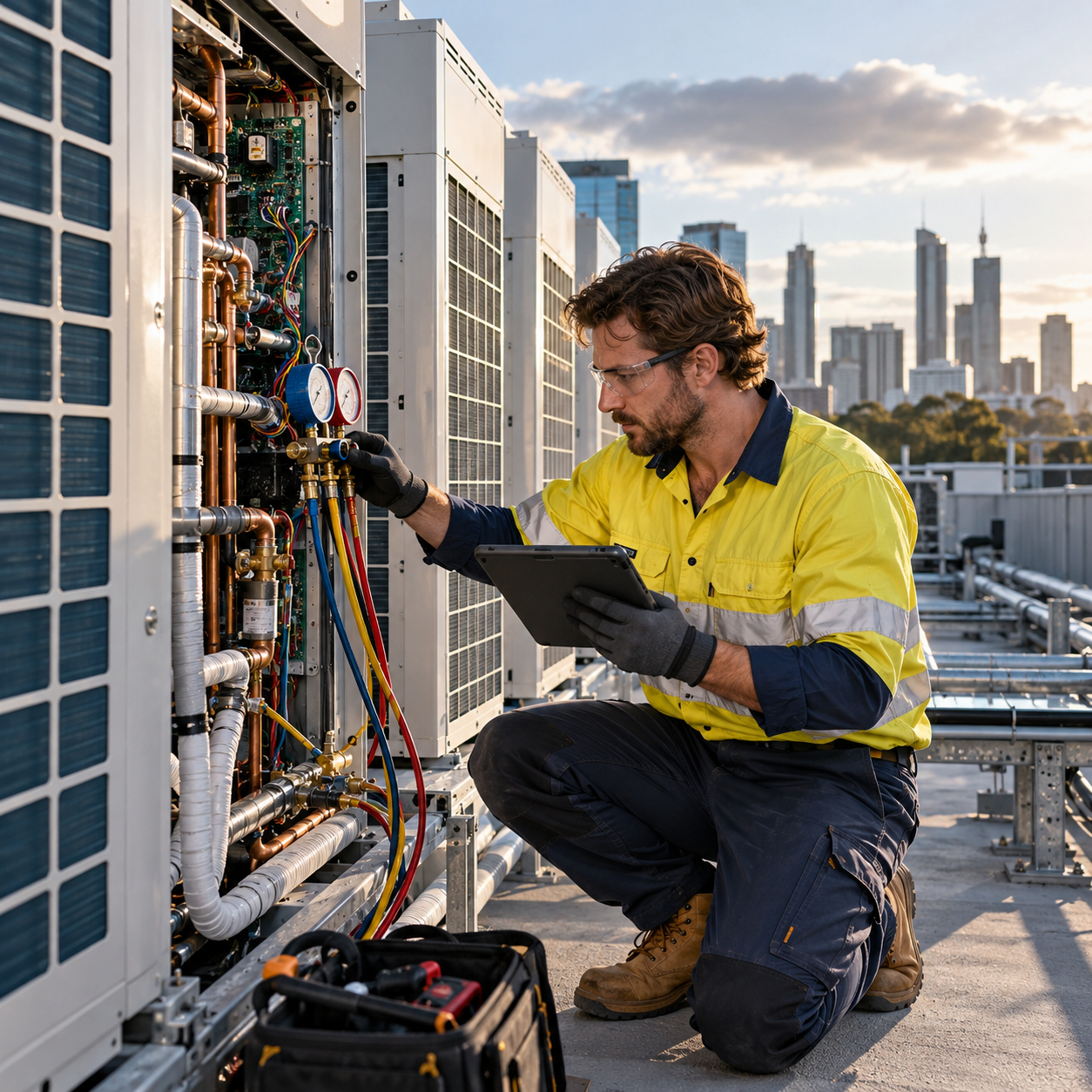
In electrical and HVAC work, fault finding is a high-value capability. A technician who can methodically diagnose why a system is failing saves downtime, avoids unnecessary replacement costs and protects a client’s operations. That is a commercial result, not just a task completed.
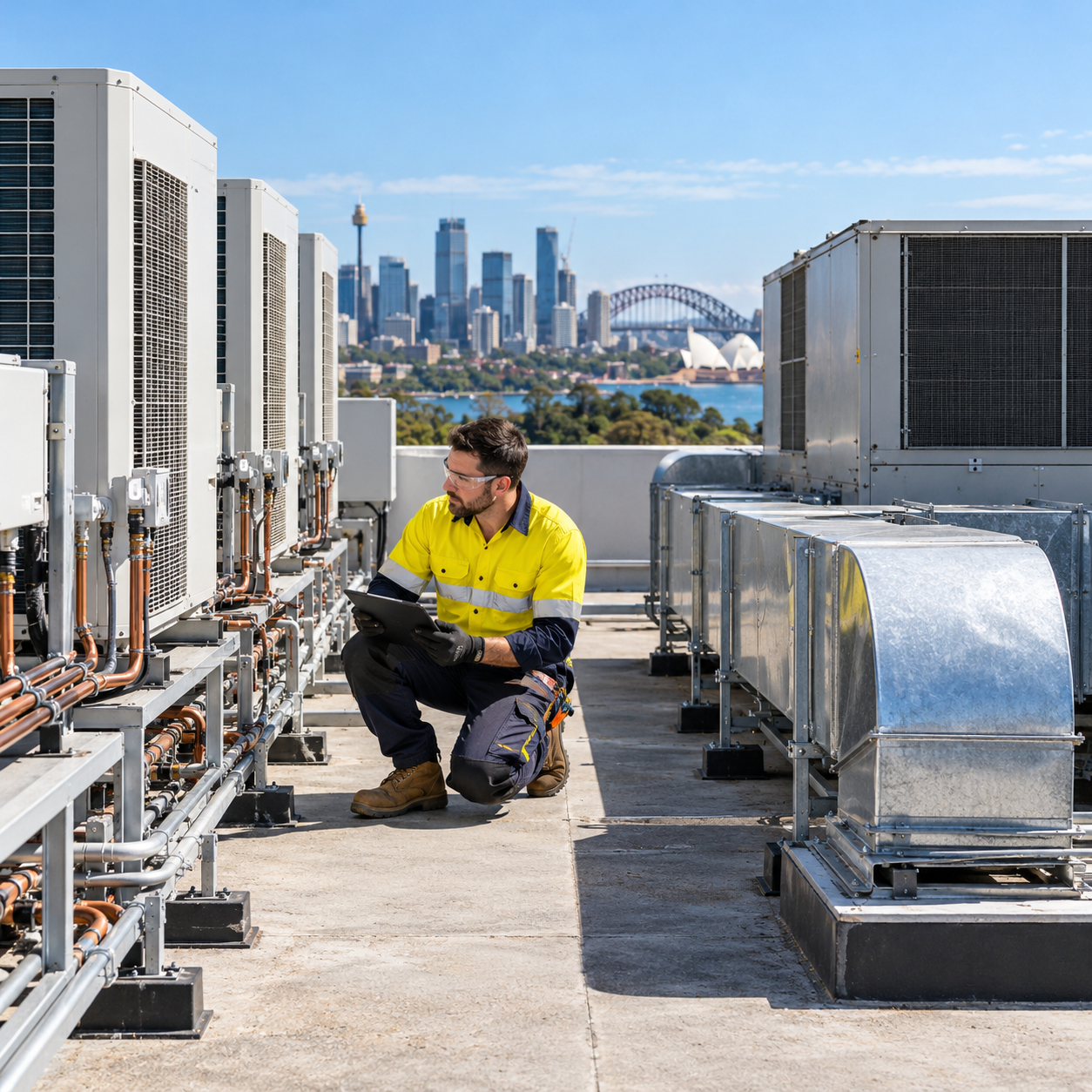
Specialised systems can also create a clearer income edge. Commercial air conditioning, refrigeration, controls, VRV systems and complex electrical environments require knowledge that goes beyond basic installation. The right training helps you build the competence to step into these opportunities with credibility.
Construction projects versus maintenance contracts
Project work can offer strong periods of demand and valuable site exposure. It can also be affected by delays, changing builder schedules and the natural ups and downs of the construction cycle. Maintenance work is different. It is built around recurring requirements, ongoing client relationships and rapid response when equipment fails.
Neither path is automatically better. A tradie who enjoys major sites and team-based installation may thrive in projects. Someone who prefers problem solving, autonomy and direct customer interaction may be better suited to service work. The key is choosing a direction deliberately instead of accepting whatever work lands in front of you.
Employee income versus running work independently
Employment can offer predictable income, established systems and the chance to learn under experienced supervisors. Independent work can provide more control over the jobs you accept, the clients you serve and the value you charge for specialised outcomes. It also carries more responsibility, including quoting accurately, managing workflow, maintaining client relationships and keeping standards high.
The strongest move is often sequential. Build capability first. Learn how profitable jobs are scoped and delivered. Develop a reputation for reliable work. Then decide whether independence suits your goals, rather than rushing into it before your technical and business foundations are ready.
Four levers that lift earning power
A higher income is built through choices you can control. Focus on these four levers rather than waiting for a small annual pay rise.
- Recognised qualifications: A nationally recognised qualification gives your experience structure and makes your skills easier for employers to assess. It can help you compete for better roles instead of being compared only on day rate or years worked.
- Technical specialisation: Build expertise in work that requires real diagnostic skill or system knowledge. Daikin VRV training, refrigeration, air conditioning controls and advanced electrical tasks can help you stand apart from general labour supply.
- Practical performance: Employers remember the tradie who arrives prepared, communicates clearly, identifies the issue and leaves the site in good order. Technical skill gets you considered. Consistent delivery gets you trusted with bigger work.
- Commercial awareness: Understand what makes a job profitable. Reduce rework, protect materials, manage time, document work properly and recognise when a scope is changing. These habits make you more valuable whether you are on wages or building your own client base.
Do not confuse busy with progressing
A full calendar does not always mean your income is moving forward. Many workers stay busy for years while repeating the same low-margin tasks, working under the same ceiling and relying on overtime to make the numbers work.
Ask a more useful question: is the work you are doing now increasing your value next year? If it is building technical depth, stronger references, better problem-solving ability and exposure to higher-value systems, it is likely moving you forward. If it only keeps you occupied, it may be time to change direction.
This is where structured training can outperform the traditional wait-and-see approach. Instead of hoping someone gives you a chance to learn more, you can build targeted knowledge and practical evidence around the work you want to do next.
Build a pathway around your current responsibilities
For most adult tradies, walking away from work to study full-time is not realistic. There is rent, family, tools, vehicles and day-to-day commitments to manage. The right pathway needs to fit around the life you already have while still demanding enough to produce real progress.
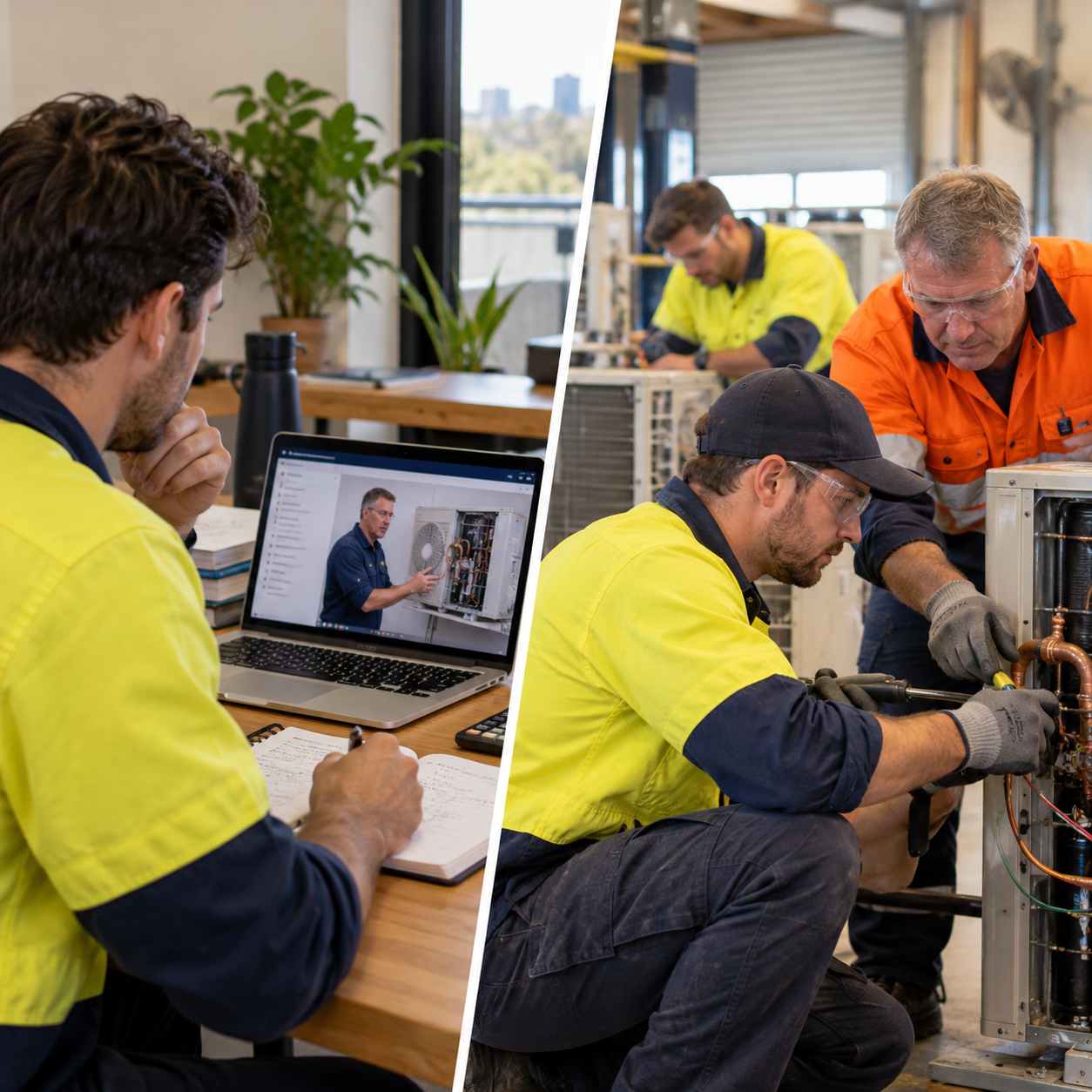
Blended training works well when it combines self-paced theory with structured learning and hands-on practical workshops. You can keep earning while working through the knowledge and practical requirements that support your next career move. The goal is not to collect certificates. The goal is to become capable, recognised and ready for better work.
Alpha Technical Training supports working tradies with flexible vocational pathways across electrical, refrigeration and air conditioning training. For people with existing experience, preparation programs can also help sharpen the technical knowledge and practical confidence needed to demonstrate what they already know.
Make your next move an income move
Before you commit to another year in the same role, map the work you want to be doing in 12 to 24 months. Be specific. Do you want to move into commercial HVAC, service and maintenance, complex electrical work, site supervision or independent contracting? Your answer should determine the skills you build next.
Then look honestly at the gap. It might be a recognised qualification, deeper system knowledge, more confidence in diagnostics or practical preparation for a technical assessment. Once you can name the gap, you can stop guessing and start closing it.
The tradies who increase their earning power are not always the loudest or the most experienced person on site. They are the ones who keep building capability that the market can see, trust and reward.