If you are already doing install, service or maintenance work and still getting blocked by the lack of a formal qualification, the air conditioning cert 3 course is usually the line between staying limited and moving forward. It is the credential many tradies need to turn existing experience into a nationally recognised outcome, improve earning potential, and get closer to licensing and independent work.
That matters because the industry does not reward almost-qualified workers the same way it rewards certified technicians. You can be capable on the tools and still miss out on better jobs, better rates and business opportunities if you do not hold the right qualification. For a lot of adults, the real question is not whether Cert III is worth it. It is how to get it done without putting work, income and family life on hold.
What the air conditioning cert 3 course actually is
In practical terms, when people search for an air conditioning cert 3 course, they are usually looking for the trade qualification that supports work in air conditioning and refrigeration. The exact training pathway can vary depending on your background, work history and licensing goals, but the purpose is straightforward. It gives you formal recognition in the competencies the industry and regulators expect.
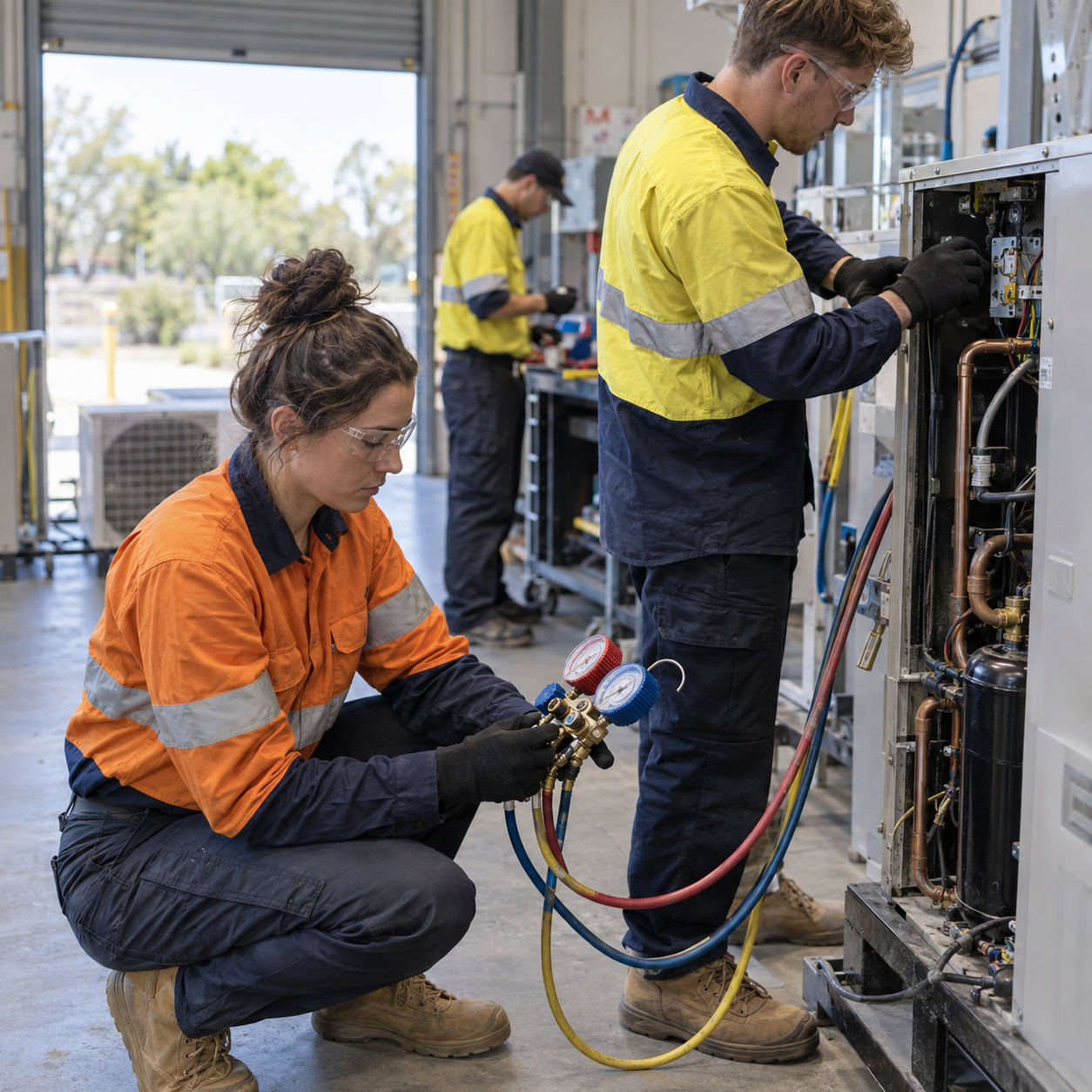
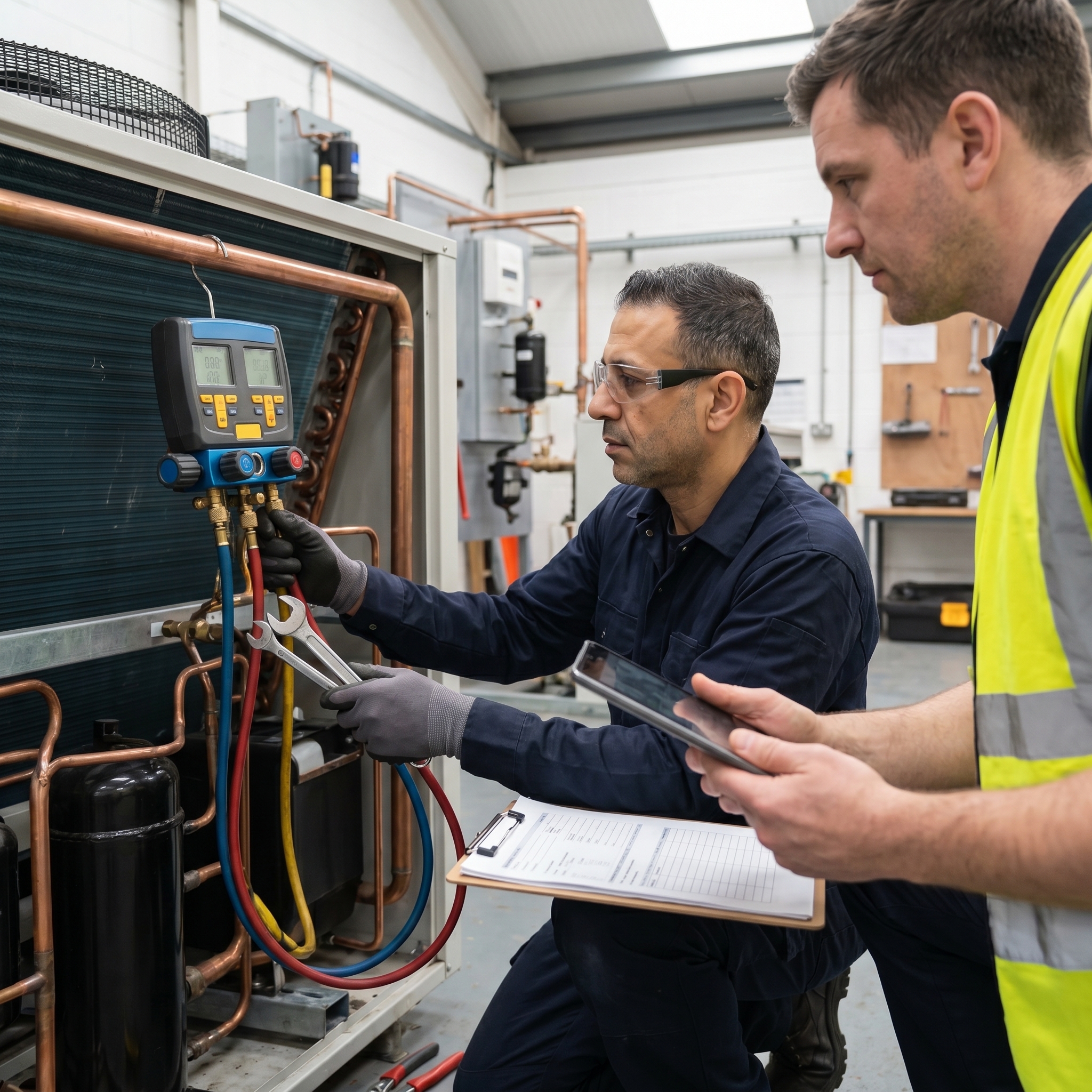
This is not about collecting theory for its own sake. A proper Cert III pathway covers the work that matters on site – installation, fault finding, servicing, electrical disconnect reconnect, safe handling practices, compliance requirements and the practical standards expected in the field. If your goal is to stop being overlooked for qualified roles, this is where that shift starts.
For experienced workers, the biggest advantage is that the course can often be completed in a way that reflects what you already know. That is a very different proposition from starting a traditional apprenticeship from scratch.
Why tradies choose this path instead of a traditional apprenticeship
For school leavers, a full apprenticeship may still make sense. For adults who are already working, it often does not. Taking a major pay cut for years, changing your work structure, or trying to fit rigid classroom schedules around full-time employment is not realistic for most people.
That is why flexible delivery matters. A blended model with self-paced online theory, structured progress tracking and scheduled practical workshop training is often a far better fit for working adults. You keep earning while you study. You apply what you learn to real work. You move faster because the course is designed for people who are serious about qualification, not people who have unlimited time.
The trade-off is simple. A faster course still requires discipline. If you want speed, you need to show up, submit work on time and stay accountable. The upside is obvious – you can reach the same nationally recognised outcome sooner, without dragging the process out over years.
Who the air conditioning cert 3 course suits best
This pathway usually suits three types of people.
The first is the experienced but uncertified worker. Maybe you have spent years around split systems, ducted units, refrigeration plant or general HVAC support, but you never formalised your training. You know the job, but the paperwork is holding you back.
The second is the career changer already working in a related trade. Electricians, mechanical workers, maintenance staff and service technicians often move into air conditioning and refrigeration because the demand is strong and the earning potential is better.
The third is the motivated newcomer who wants a direct, structured route into the trade and values flexibility over the old apprenticeship model. That option depends on entry requirements and the provider’s delivery model, so it is not one-size-fits-all.
What you should expect to study
Core skills that affect real job outcomes
A solid course should build capability in the areas employers actually pay for. That includes diagnosing faults, interpreting technical information, carrying out installations, servicing systems, following workplace safety procedures and understanding compliance obligations.
You should also expect practical exposure, not just reading modules and ticking boxes. In air conditioning and refrigeration, confidence comes from doing the work correctly under supervision, not just memorising theory.
Compliance is not optional
This is where weaker training options get exposed. Fast does not mean loose. If a provider cannot clearly explain how the course meets national training requirements, how practical skills are assessed, and how student progress is tracked, that is a warning sign.
Good providers make compliance part of the structure, not an afterthought. That protects your qualification and your future licensing pathway.
How long does it take?
The honest answer is: it depends on your experience, availability and the delivery model.
A traditional pathway can take years. An accelerated pathway can be much shorter, especially for workers with existing industry exposure who are able to move consistently through theory and attend practical sessions as scheduled. That is the real appeal for adults who cannot afford drawn-out training.
Speed, however, should never be confused with skipping requirements. If you are comparing providers, ask what drives completion time. Is it based on recognition of existing skills, efficient scheduling, strong trainer support and a clear LMS structure? Or is it just a marketing claim with no substance behind it? The difference matters.
Cost versus return on investment
People often fixate on course fees and miss the bigger number. The better question is what delayed qualification is costing you.
If being uncertified means lower wages, missed contracts, restricted licensing options or being passed over for specialist roles, every extra month has a financial cost. In that context, paying for a credible, accelerated course can be the smarter move, particularly if payment plans are available and the pathway lets you keep working while you study.
This is where a lot of tradies change their thinking. The course fee is visible. The income you are not earning yet is less visible, but often much larger.
How to choose the right provider
Look for proof, not promises
Not all training providers deliver the same student experience. Some are built for volume. Others are built for completion and outcomes. You want a provider that can show a clear structure, practical support, trainer access and compliance confidence.
Ask direct questions. How is theory delivered? How often are practical workshops run? Who are the trainers? Are they active in industry? How is progress monitored? What support is available if you get stuck? If licensing is your end goal, what guidance is provided after the qualification is complete?
Flexible should still mean structured
A lot of people say they want flexibility when what they really need is flexibility plus accountability. Too much freedom and students drift. Too much rigidity and working adults drop out.
The best model sits in the middle. You get self-paced online study, but you also get milestones, support and scheduled practical training that keeps momentum moving. That is one reason providers such as Alpha Technical Training appeal to working tradies – the format is built around finishing, not just enrolling.
Common mistakes to avoid
One mistake is choosing purely on price. Cheap training can become expensive fast if the support is poor, the practical delivery is weak, or the qualification does not line up with your next licensing step.
Another is assuming experience alone will carry you through. Even very capable workers can lose momentum if they underestimate the theory, paperwork or assessment standards involved.
The third is waiting too long. A lot of people spend years telling themselves they will sort it out later. Meanwhile, they stay on lower rates and narrower job options. If qualification is clearly the next step in your career, delay has a cost.
What happens after completion?
For most students, completing the qualification is not the final goal. It is the step that opens the next one.
That might mean applying for roles with better pay, moving into more specialised HVAC work, meeting requirements connected to licensing, or positioning yourself to work more independently. For some, it is also the foundation for eventually running a business.
This is why the course decision should be tied to a career plan, not treated like a standalone study choice. The right qualification, delivered the right way, can change your earning ceiling far more quickly than people expect.
If you are serious about moving from experienced worker to recognised technician, the air conditioning cert 3 course is not just another certificate. It is the point where your skills start getting valued properly, on paper and on the job.