A supervisor can see that you know your way around a job. You may have spent years fault-finding, installing equipment, helping on site, or learning from experienced tradespeople. But when a better role, bigger contract or higher-rate opportunity comes up, the question changes: can you prove your capability in a recognised way?
That is where certification versus informal experience becomes a career decision, not an academic one. Experience builds real skill. Certification turns that skill into evidence employers, contractors and customers can trust. For tradies who are ready to move forward, the strongest answer is rarely one or the other. It is experience backed by a nationally recognised qualification.
Certification versus informal experience in the real world
Informal experience is valuable because it is earned under pressure. You learn how sites operate, how to work safely around other trades, how to diagnose problems when the manual does not have the answer, and how to keep a job moving. Those lessons matter. No online module can replace the judgement developed after years on the tools.
The problem is that informal experience can be difficult to verify outside the workplace where it was gained. A new employer does not know the full scope of your work. A customer cannot assess what jobs you have completed. Even a supportive boss may not be able to translate your ability into the formal proof required for more advanced work or a step up in responsibility.
A certification creates a consistent benchmark. It shows you have completed an accredited curriculum, been assessed against defined competencies and demonstrated the knowledge and practical ability expected in the trade. That does not erase your hands-on background. It gives it weight.
For air conditioning and refrigeration workers, this distinction is especially clear. The work is technical, safety-critical and constantly changing. Being able to say you have assisted with installs or carried out maintenance is useful. Being able to show recognised training alongside proven field experience puts you in a far stronger position.
Why experience alone can stall a capable tradie
Many experienced workers hit the same ceiling. They are trusted to do more on site, but they are still paid and positioned as someone who supports the qualified team. They may be the person others turn to for a solution, yet miss out when a role requires formal credentials.
This gap is not always about skill. It is about confidence, compliance and risk. Businesses need clear evidence when they put someone in charge of technical work, client relationships or site outcomes. Formal qualifications give employers a simpler, more reliable way to assess capability.
Experience alone can also leave your career dependent on one workplace. If your current manager knows what you can do, that is useful. But a recognised qualification travels with you. It strengthens your CV, gives you more credibility in interviews and makes it easier to pursue work beyond the network you have built so far.
That portability matters when you want better conditions, a change of employer or the confidence to take on more responsibility. Your skills should not be invisible simply because they were learned informally.
What certification adds to practical skill
A quality trade qualification is not just paperwork. Done properly, it sharpens the skills that experienced workers already use and fills the gaps they may not know they have.
The theory component gives structure to what you have learned through repetition. You understand why a system behaves a certain way, not only which fix worked last time. That knowledge helps when the fault is unfamiliar, the equipment is more complex or the job requires a decision rather than a standard process.
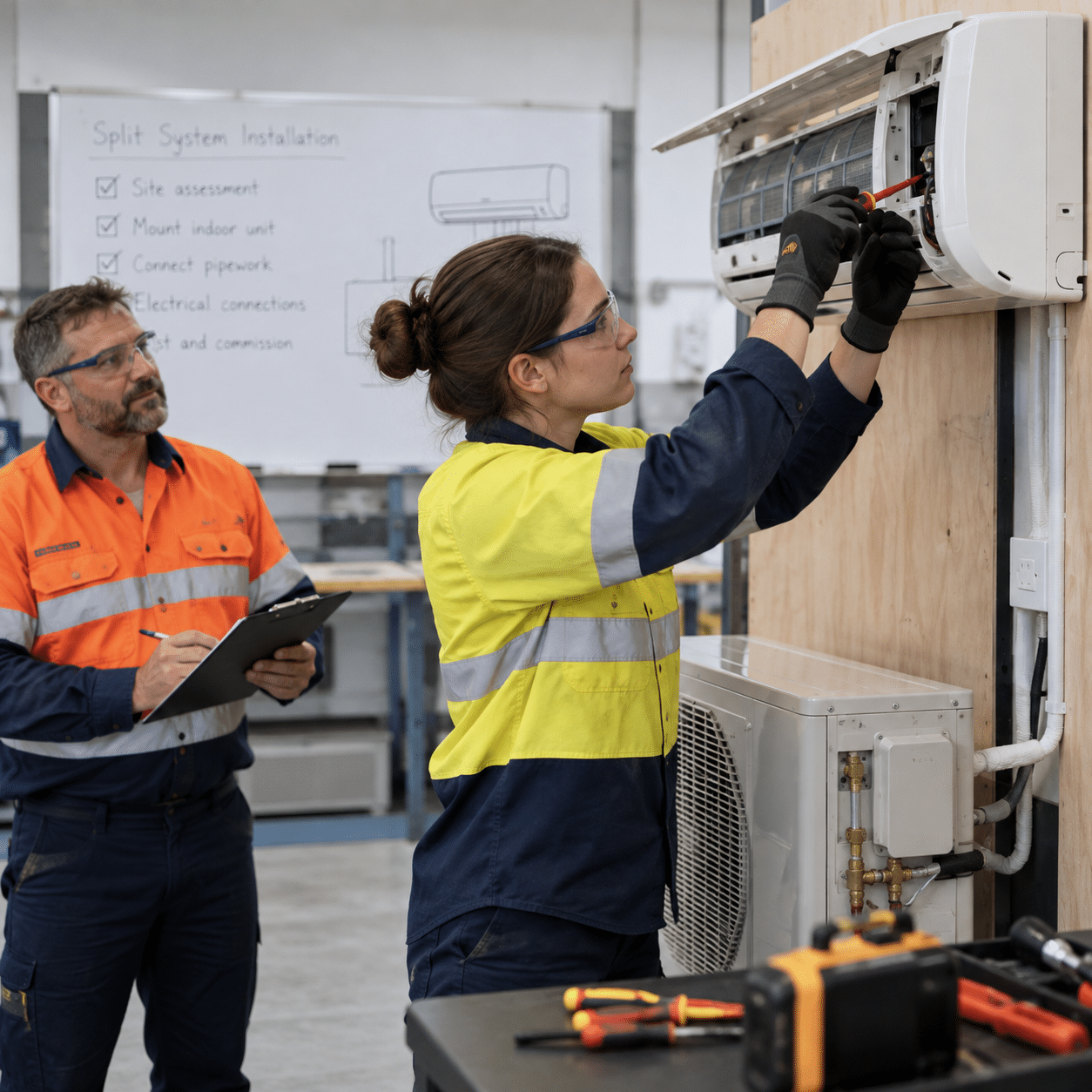
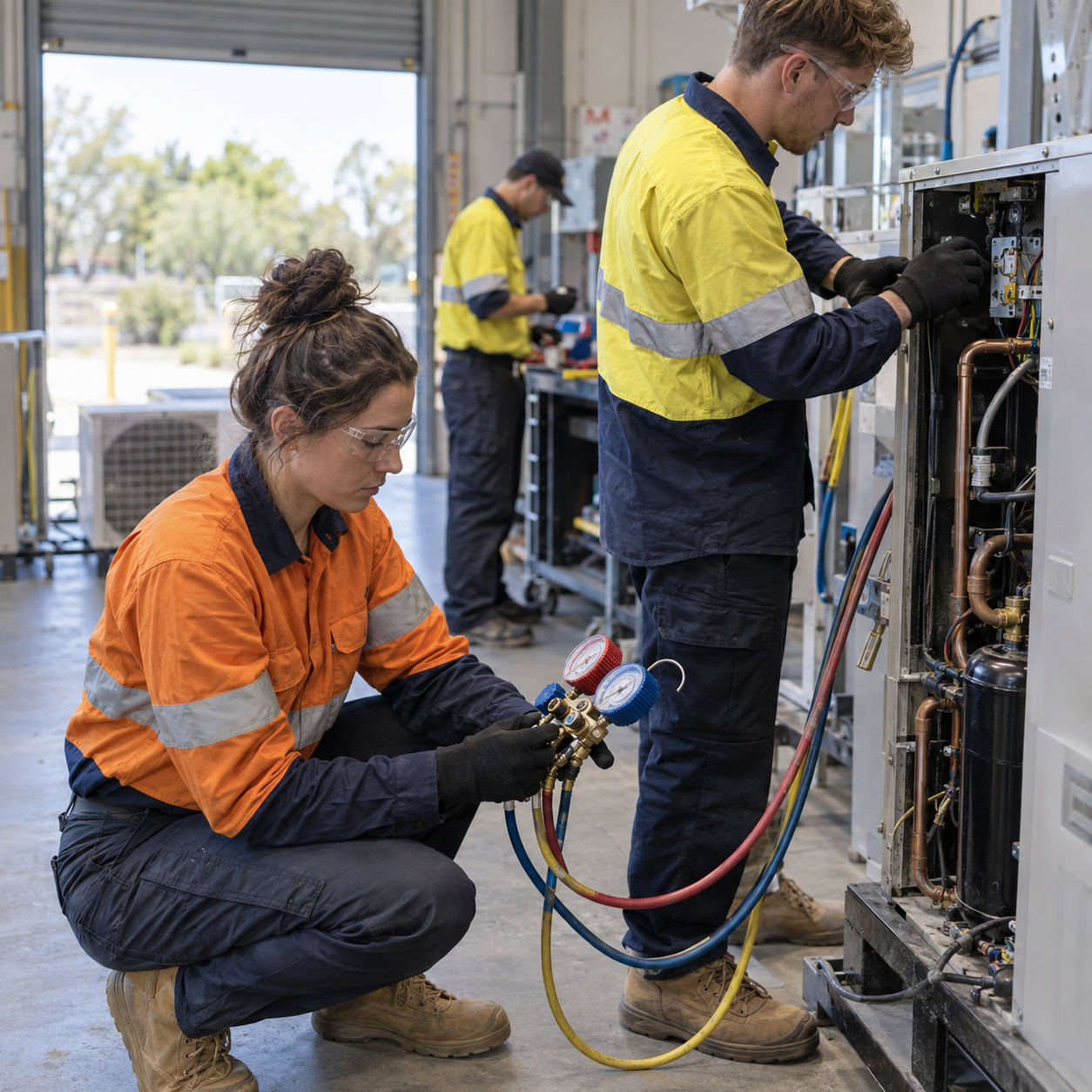
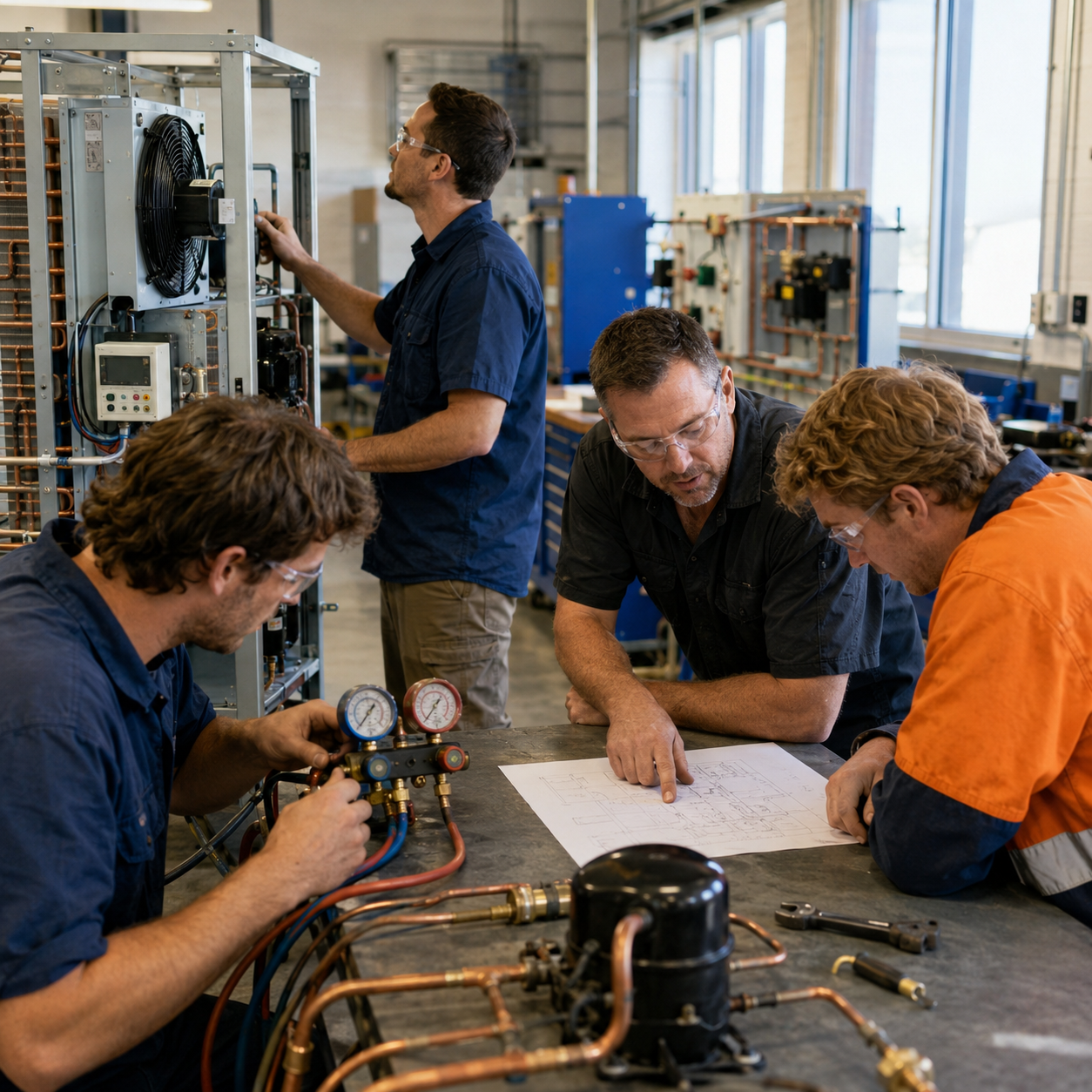
Practical assessment matters just as much. It verifies that you can apply knowledge safely and correctly, not merely repeat it in an online quiz. The right program combines self-paced theory with structured practical workshops, so you can keep building on the job while getting direct feedback from active industry professionals.
There is also an accountability benefit. A recognised training pathway has defined milestones, assessed outcomes and documented progress. Instead of hoping your experience will eventually be enough, you have a clear route from where you are now to the credential that supports your next move.
The comparison is not as simple as time versus training
Some tradies avoid certification because they assume it means stepping away from work for years. That assumption made sense when the only option was a traditional, fixed-schedule pathway. It does not reflect how flexible vocational training can work now.
The real comparison is not experience versus study. It is unstructured experience versus experience with a plan.
A traditional pathway can be a good fit for someone at the beginning of their career, with an employer able to support a long-term training arrangement. But it may be a poor fit for an adult already working, supporting a family or carrying years of relevant experience. Starting from scratch can feel like being asked to pause your earning momentum just to prove what you already know.
Accelerated blended learning changes that equation. You can complete online theory around your work commitments, track progress through an LMS and attend scheduled practical workshops designed to build and assess real capability. It is a focused route for people who are serious about turning existing effort into a recognised result.
Speed only matters when standards remain high. A faster program should still deliver the same accredited curriculum and require learners to meet the required competencies. The goal is not to cut corners. It is to remove unnecessary delay.
When informal experience is enough, and when it is not
There are situations where informal experience is enough to get started. Entry-level work, trade assistant roles and supervised site exposure are often where people build the confidence to decide whether a trade is right for them. That experience is not wasted. It is the foundation.
It can also be enough when your goal is to stay in the same role, with the same employer, doing the same type of work. If you are happy with that position, formalising your skills may not be urgent.
But the calculation changes when you want higher earning potential, more autonomy, stronger job mobility or the ability to compete for work that expects recognised credentials. At that point, relying on informal experience alone can become a risk. You may be capable of the work but still unable to access the opportunities that match your ability.
The best time to act is before that gap costs you a role. Waiting until an opportunity appears often means watching someone with less site experience but stronger paperwork get selected first.
How to turn experience into career momentum
Start by taking stock of the work you already do. Think beyond job titles. What systems have you worked on? What tools and processes do you use? Which tasks can you complete confidently, and where do you still rely on direction? An honest skills picture makes it easier to choose the right training pathway.
Next, look for a provider that understands adult learners and working tradies. Flexibility should be real, not a vague promise. You need a program that lets you study around work, gives you visible progress checkpoints and includes practical support from people who understand current industry expectations.
Finally, choose a pathway that respects your time while holding the line on quality. Alpha Technical Training is built for tradies who want to progress without putting their work and family commitments on hold. Structured online learning and monthly practical workshops give you a practical way to move from experience to recognised capability.
Your experience deserves proof
No certificate can replace the confidence that comes from solving real problems on site. But no amount of informal experience automatically gives you the recognition, mobility or earning leverage that a formal qualification can provide.
The smartest move is to build on what you have already earned. Keep the practical edge. Add the credential that makes your capability clear. When your experience and certification work together, your next career move is based on more than potential – it is backed by proof.