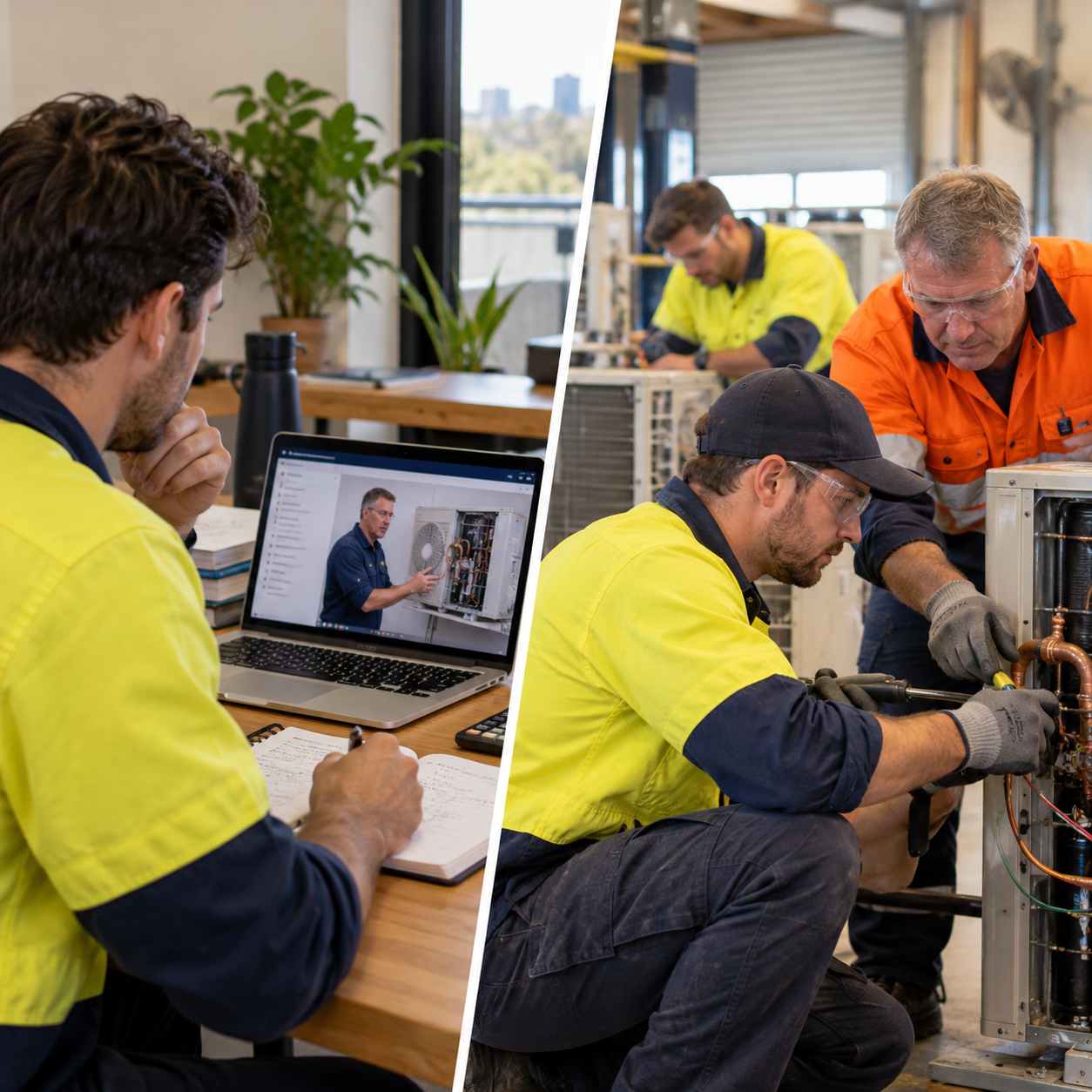
Your assessment plan can be the difference between proving the skills you already use every day and losing weeks chasing missing evidence. If you are working towards a recognised trade qualification, knowing how to plan trade assessments properly gives you control over the process, protects your time on the tools and keeps your progress moving.
For experienced workers, the goal is not to study endlessly or repeat work you can already do. It is to map your existing experience against the required competencies, close genuine gaps and present clear evidence that an assessor can validate. That takes structure, honesty and preparation.
Start with the outcome, not the paperwork
Before collecting photos or booking practical sessions, get clear on the qualification or skill set you are working towards. A trade assessment is not a general test of whether you are good at your job. It assesses whether you can demonstrate specific units of competency, including the practical tasks, knowledge, safety processes and documentation attached to them.
An electrician may be highly capable in domestic fit-outs but have limited exposure to fault-finding, switchboard work or industrial systems. A refrigeration mechanic may have years of split-system experience but need to show broader diagnostic, commissioning or workplace procedure knowledge. A builder may have strong site experience but incomplete evidence across particular construction activities.
That does not mean you are starting from scratch. It means your plan needs to identify what you can prove now and what needs targeted work.
Ask for a clear assessment map before you begin. This should show each competency, the evidence required, any theory activities and the practical tasks you need to complete. Without that map, you are guessing. Guessing is where time gets wasted.
How to plan trade assessments around full-time work
Most working tradies cannot simply take weeks away from site. A realistic assessment plan needs to fit around jobs, family commitments and the natural flow of work – while still giving you enough time to prepare properly.
Start by setting a finish date, then work backwards. If you want to complete by a certain month, identify when your practical workshop, theory tasks, evidence reviews and follow-up activities must happen. Build in breathing room. Site delays, wet weather, client changes and overtime are normal parts of trade work, not excuses to abandon the plan.
A useful approach is to separate your work into three streams: evidence collection during normal jobs, theory completed in short scheduled blocks, and practical assessment booked when you are genuinely ready. This prevents the common mistake of trying to do everything in one weekend.
For example, reserve two evenings a week for online learning and evidence organisation. Use your mobile during the workday only to capture relevant evidence as tasks occur, provided workplace permissions and privacy requirements are followed. Then keep practical assessment days clear of competing commitments. Turning up rushed after a late shift is not a strategy.
At Alpha Technical Training, blended learning is designed to support workers who need to keep earning while progressing. The flexibility only works, however, when you treat your assessment timeline like a job schedule rather than something to get to when site quietens down.
Build an evidence bank before you need it
Strong evidence is specific, current and easy to verify. A random camera roll full of poorly labelled site photos creates more work for everyone. A well-organised evidence bank can dramatically reduce delays.
As you work through relevant tasks, collect evidence that shows what you did, where it occurred and how it connects to the required competency. Depending on the assessment requirements, this may include job cards, work orders, photos, videos, supervisor reports, qualifications, training records or completed workplace documentation.
Photos alone rarely tell the full story. A picture of an installation may show the finished result, but not your planning, testing, safety checks, communication or problem-solving. Pair visual evidence with short notes. Record the task, the date, your role, the equipment used and any fault or issue you resolved.
Keep files in clearly named folders rather than leaving them scattered across texts, emails and your phone. Use consistent labels such as date, job type and task. If an assessor asks for proof of a particular activity, you should be able to find it in minutes.
There are four evidence mistakes that regularly slow capable workers down:
- submitting work that does not clearly show your own role;
- using undated or poorly explained photos;
- relying on old documents that cannot be verified; and
- waiting until the end of the process to start collecting records.
Your evidence does not need to be fancy. It needs to be relevant, authentic and connected to the assessment criteria.
Identify gaps early and deal with them directly
The fastest pathway is not the one that pretends gaps do not exist. It is the one that finds them early and addresses them with focused training, supervised practice or additional evidence.
An initial skills conversation or pre-assessment can help identify where your work history aligns strongly and where it does not. Be accurate about your experience. Overstating skills may feel like it speeds things up, but it usually results in unsuccessful assessment attempts, extra stress and more time spent correcting the record.
Some gaps are evidence gaps, not skill gaps. You may complete a task regularly but have never photographed it, recorded your involvement or had your work verified. In that case, your plan may simply require you to capture the right evidence on upcoming jobs.
Other gaps are genuine capability gaps. You may need to refresh calculations, workplace documentation, testing processes or particular installation procedures. This is where structured theory and practical preparation matter. Targeted preparation is far more efficient than revising an entire trade course from the beginning.
Prepare for practical assessment like a live job
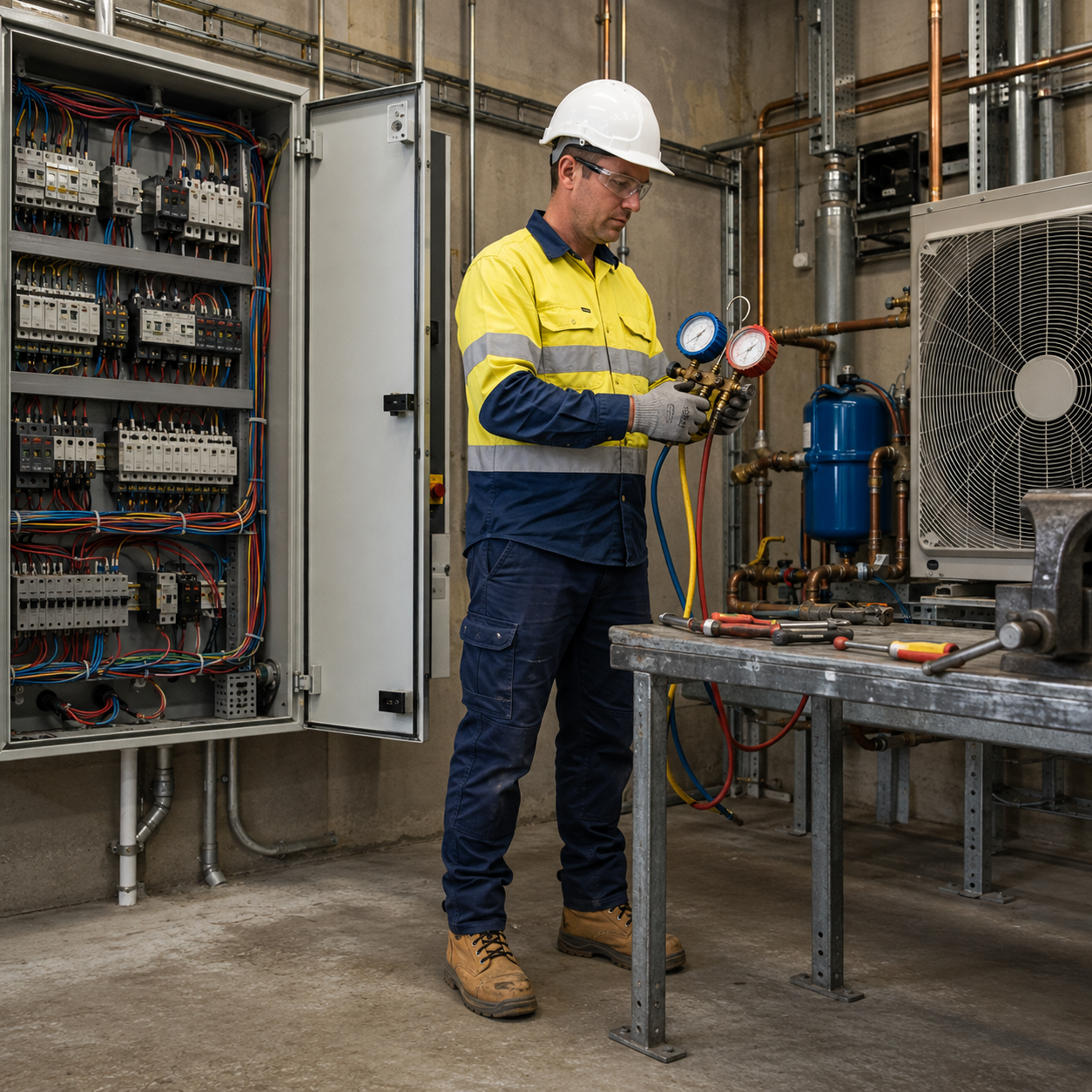
Practical assessment is where planning becomes visible. Assessors are looking beyond whether the final task works. They need to see safe work practices, correct sequencing, tool selection, communication, fault identification, testing and completion procedures.
Treat the assessment environment as you would a quality-controlled job. Read the task instructions carefully. Know the expected standard. Practise the sequence until you can explain why each step matters, not just repeat it from memory.
Pack and check the equipment you are required to bring well before the day. Arrive early enough to settle in, review instructions and organise your workstation. Rushing in at the last minute with missing tools or a flat mobile is avoidable pressure.
Theory preparation matters just as much. Many experienced tradies can perform a task confidently but struggle to put technical reasoning into words. Make time to revise the principles behind your work: safety controls, standards relevant to the task, calculations, fault causes, product information and correct documentation.
If you get stuck during an assessment, do not guess wildly. Pause, read the information provided and apply the same problem-solving process you would use on site. Clear thinking is more valuable than pretending to know an answer.
Keep communication moving
Assessment delays often come down to silence. A learner gets busy, misses a message, submits partial evidence and then assumes the process has stalled. Stay in contact with your trainer or assessor, especially when your work circumstances change.
If a planned job falls through and it was meant to provide evidence, say so early. If you do not understand feedback, ask what acceptable evidence would look like. If you are waiting on a supervisor verification, follow it up before it becomes a bottleneck.
Keep a simple progress tracker with each competency, the evidence submitted, feedback received and next action. This makes your workload visible and stops small outstanding items becoming a pile-up at the end.
Plan for quality, not just speed
Speed matters when you want better career options and recognition for the work you already do. But speed without a plan creates rework. The strongest approach is disciplined: know the criteria, collect evidence as you work, prepare for theory and practical tasks, and respond quickly to feedback.
A well-planned assessment process does more than help you complete a qualification. It gives you a clearer view of your capability, strengthens the way you document your work and proves that your experience stands up to a recognised standard. Start with the next task on your schedule, capture it properly and keep building from there.