You can be the person everyone on site turns to when something needs fixing, testing or fault-finding – and still find your career capped by a lack of recognised credentials. Electrical training changes that when it is built around real trade capability, not endless theory that has little to do with the work in front of you.
For working tradies, the right training pathway should create momentum. It should help you turn existing experience into structured evidence, build the knowledge you may have missed on the job, and prove you can perform safely and competently in practical settings. That is what moves you from being relied on informally to being recognised for the standard of work you can deliver.
What Electrical Training Needs to Deliver
Not all electrical training is equally useful for a person balancing full-time work, family and financial commitments. A course that looks convenient but gives you little practical exposure can leave gaps where it matters most. On the other hand, a programme that only runs like a traditional classroom can be difficult to sustain if you already have responsibilities on site.
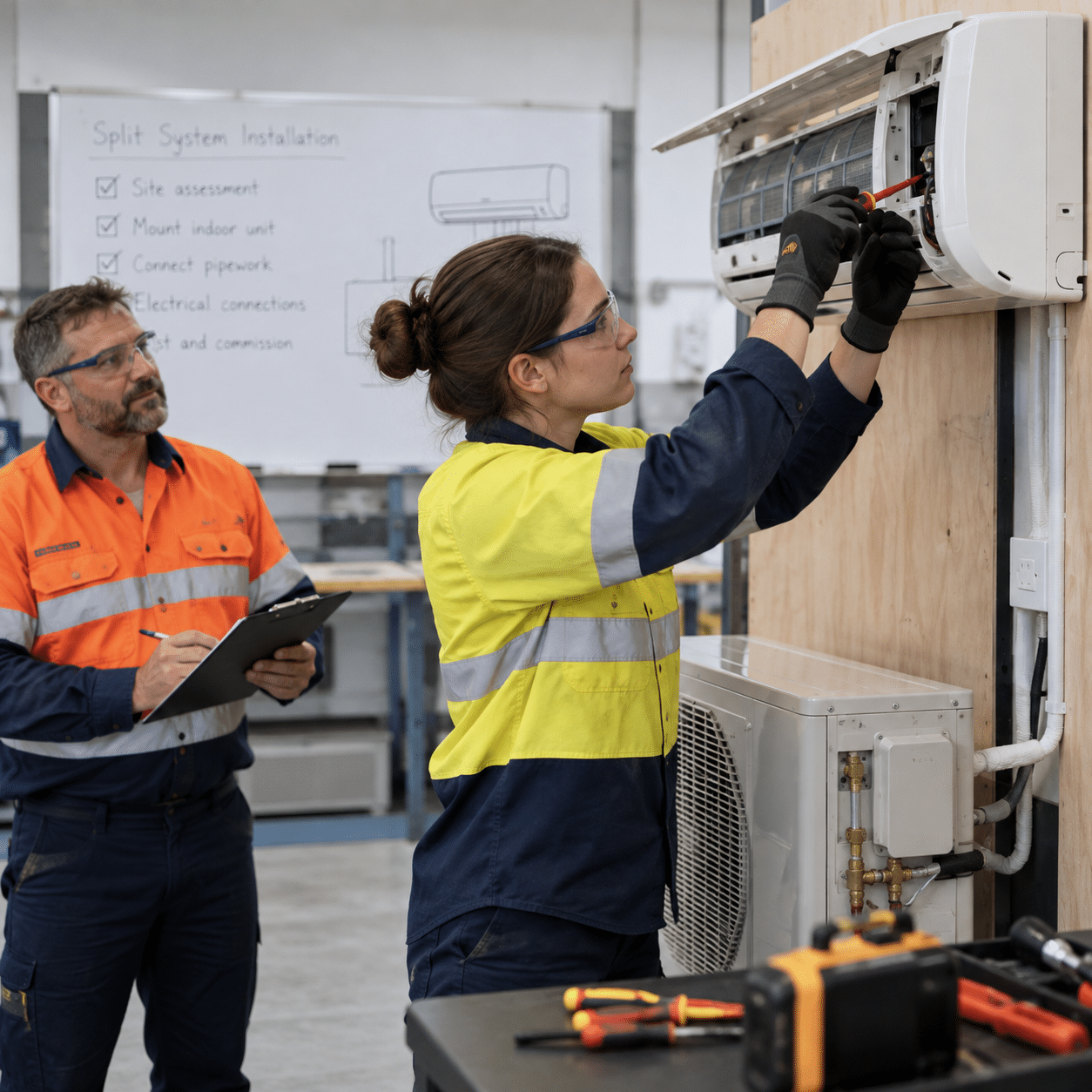
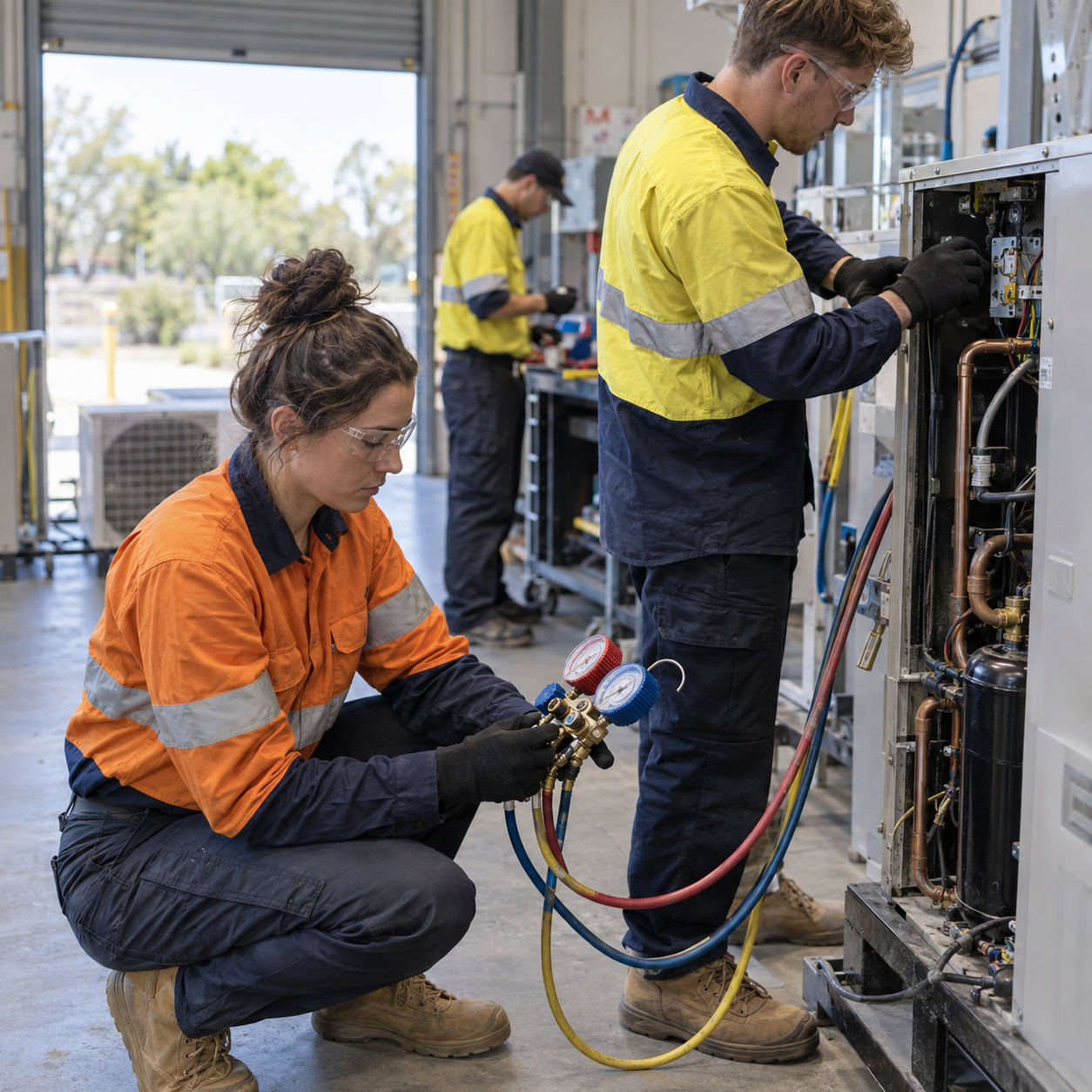
The stronger option combines structured online learning with practical workshops and clear assessment requirements. Online theory gives you room to progress around your roster. A learning management system keeps your units, resources and assessment tasks in one place. Practical sessions then bring that knowledge into the workshop, where experienced trainers can see how you approach tools, testing, connections, fault-finding and safe work practices.
That blend matters because electrical work is not learned by memorising answers. You need to understand why a circuit behaves the way it does, what a reading tells you, and what action is appropriate before work begins. You also need to demonstrate those skills under assessment conditions.
A nationally recognised qualification such as the Certificate III in Electrotechnology Electrician (UEE30820) involves more than simply attending classes. It requires consistent effort, evidence of competence and the ability to meet the requirements of each unit. A quality provider will be upfront about that. Fast progress should never mean cutting corners on capability.
The Difference Between Experience and Recognised Competence
Years on the tools count. They give you context that a new starter does not have: you know how jobs run, how deadlines affect decisions, and how costly rework can be. But experience alone can be uneven. You may be excellent in one type of work while having had limited exposure to another area required by a qualification.
This is where a well-structured electrical training programme earns its value. It identifies what you already know, then focuses your effort on the knowledge and practical tasks still needed to demonstrate competence. Rather than sending you back to square one, the process gives your experience a framework.
For example, a worker may be confident reading basic drawings and using hand tools but need more development in testing procedures, calculations or systematic fault diagnosis. Another may have strong practical ability but need support putting technical knowledge into written assessment responses. Neither situation means the person is incapable. It means the training needs to be targeted.
The outcome is not just a piece of paper. It is a clearer, more complete skill set that makes you more useful across a wider range of work and better placed to pursue stronger opportunities.
Why Blended Learning Works for Working Tradies
The biggest barrier for many adults is not motivation. It is time. A rigid weekday timetable can force people to choose between progressing their trade and keeping money coming in. That is a poor choice, particularly for people supporting a household or already working long hours.
Blended learning removes much of that friction. You can complete theory in manageable blocks outside work, then attend practical workshops with a defined purpose. Instead of spending every week in a classroom, you use face-to-face time for the activities that genuinely require equipment, observation and trainer feedback.
This approach does demand discipline. Self-paced does not mean self-forgetting. The people who make the strongest progress set regular study windows, complete tasks before workshops and ask questions early rather than letting confusion build up. Even two or three focused sessions each week can create steady movement when the plan is clear.
At Alpha Technical Training, the model is designed around this reality: structured online learning, practical workshops and support from active industry professionals. It is a practical fit for adults who need a recognised pathway without putting their working life on pause.
Practical Workshops Are Where Knowledge Gets Tested
Workshop time should not feel like a box-ticking exercise. It is where trainers can see the detail that online theory cannot always show: how you prepare, whether you follow a logical process, how you use test equipment, and how you respond when a result is not what you expected.
Competence Is More Than Getting the Final Answer
In electrical work, the method matters as much as the result. A correct answer reached through guesswork is not a reliable skill. Good training builds repeatable habits – checking information, selecting the right equipment, following safe procedures, testing carefully and documenting work accurately.
That is also why practical feedback is valuable. A trainer can correct a poor habit before it becomes embedded, explain the reason behind a process and challenge you to think through a fault rather than simply copy a solution. This is the difference between completing a task once and being able to handle it confidently in different job conditions.
For experienced workers, workshops can also expose blind spots that day-to-day work has hidden. That is not a setback. It is useful information. Finding and fixing a gap in a controlled environment is far better than discovering it when a job is under pressure.
How to Choose Electrical Training That Is Worth Your Time
Before enrolling, look beyond broad promises of flexibility or speed. The right course has to fit your current experience, your work schedule and the direction you want your trade career to take. Ask direct questions and expect direct answers.
Check these four areas before committing:
- Recognition and compliance: Confirm that the training is delivered through an RTO and leads to a nationally recognised outcome where applicable.
- Practical access: Find out how workshops are structured, what equipment you will use and how often you will need to attend in person.
- Support and communication: Ask how trainers provide feedback, what happens if you fall behind and who can help you understand assessment requirements.
- Realistic workload: Be clear about the time needed for online theory, evidence gathering, practical sessions and assessment preparation.
Be cautious of any provider that makes the process sound effortless. Good electrical training can be flexible and efficient, but it still requires you to show up, practise and meet the standard. A provider that explains this clearly is protecting the value of your result.
Build Progress Into Your Week
The best time to start building recognised skills is before frustration sets in. Waiting until work dries up, opportunities pass you by or confidence drops can turn a manageable goal into a bigger problem. Start while you are still earning, still using your trade knowledge and still able to connect new learning to real work.
Set a pace you can maintain. Block out study time like you would a job booking. Prepare for workshop days rather than arriving cold. Keep your evidence organised. Most importantly, treat every completed unit and practical task as progress towards a stronger position in the trade.
Your experience has already got you this far. The right training gives that experience direction, proof and a pathway to the work you want next.